For years, sports sponsorships largely revolved around the same core assets: scoreboard placements, static signage, naming rights, and premium hospitality. Those traditional formats still matter, but expectations around sponsorship value have evolved. Today’s brands want more than visibility. They want activations that feel connected to the live experience itself.
That shift forces venues to think differently about sponsorship inventory. Increasingly, the most valuable opportunities are not confined to traditional signage locations. They exist throughout the fan journey: entry lanes, concession queues, merchandise areas, VIP pathways, player arrival routes, festivals, and temporary event spaces.
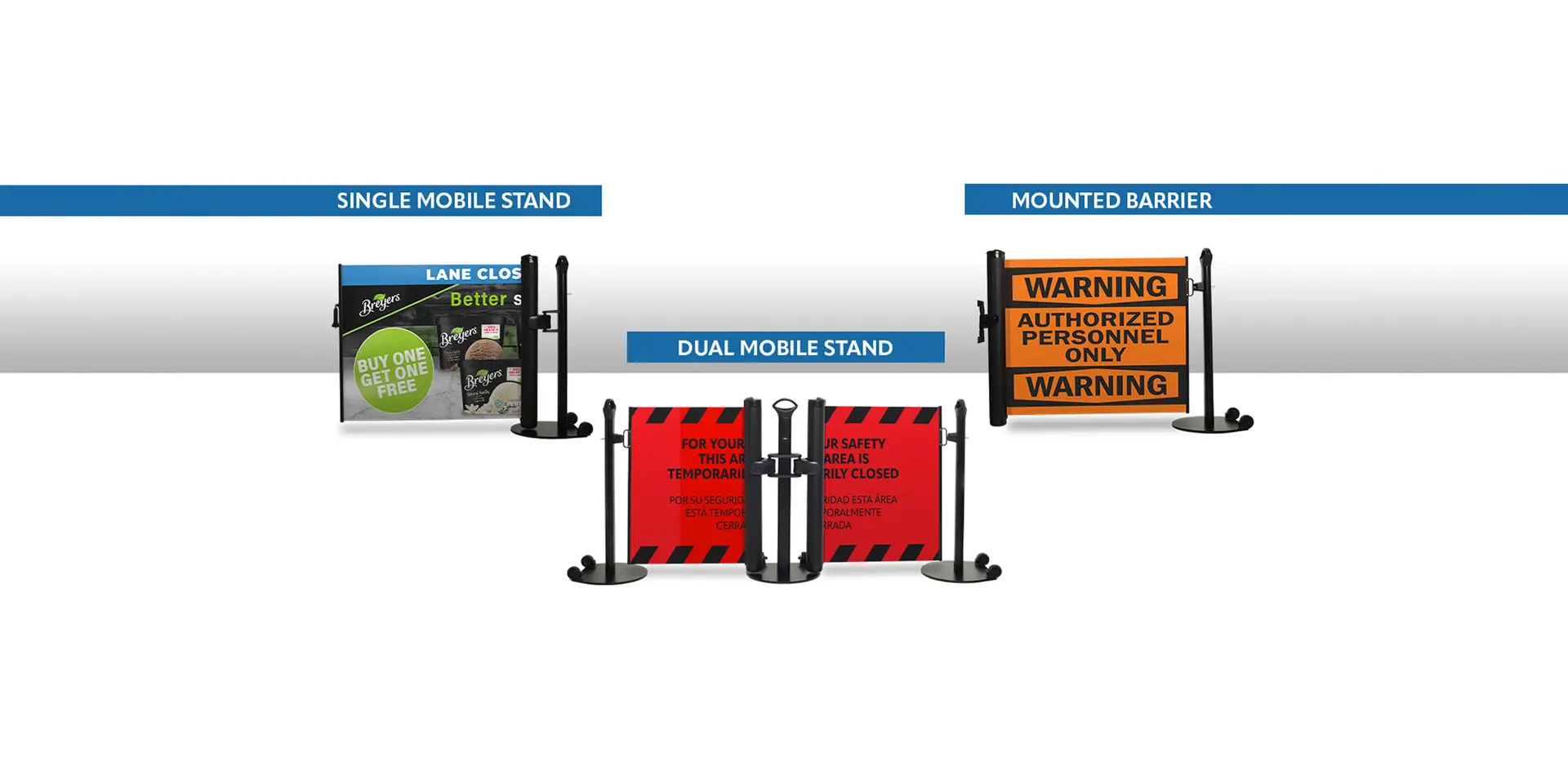
The challenge for venue operators is that many of those spaces already serve an operational purpose. They manage crowd flow, organize lines, secure restricted areas, and guide guests through the venue experience. Historically, the infrastructure used in those environments has been treated as purely functional — necessary, but not particularly valuable from a sponsorship perspective. That is beginning to change.
Modern venues are looking for ways to transform operational spaces into premium media environments without creating additional clutter or compromising crowd management. The goal is not simply to add more logos. It is to create sponsorship experiences that feel intentional, integrated, and flexible enough to evolve throughout a season. That is where systems like Spotlight™ are reshaping the conversation.
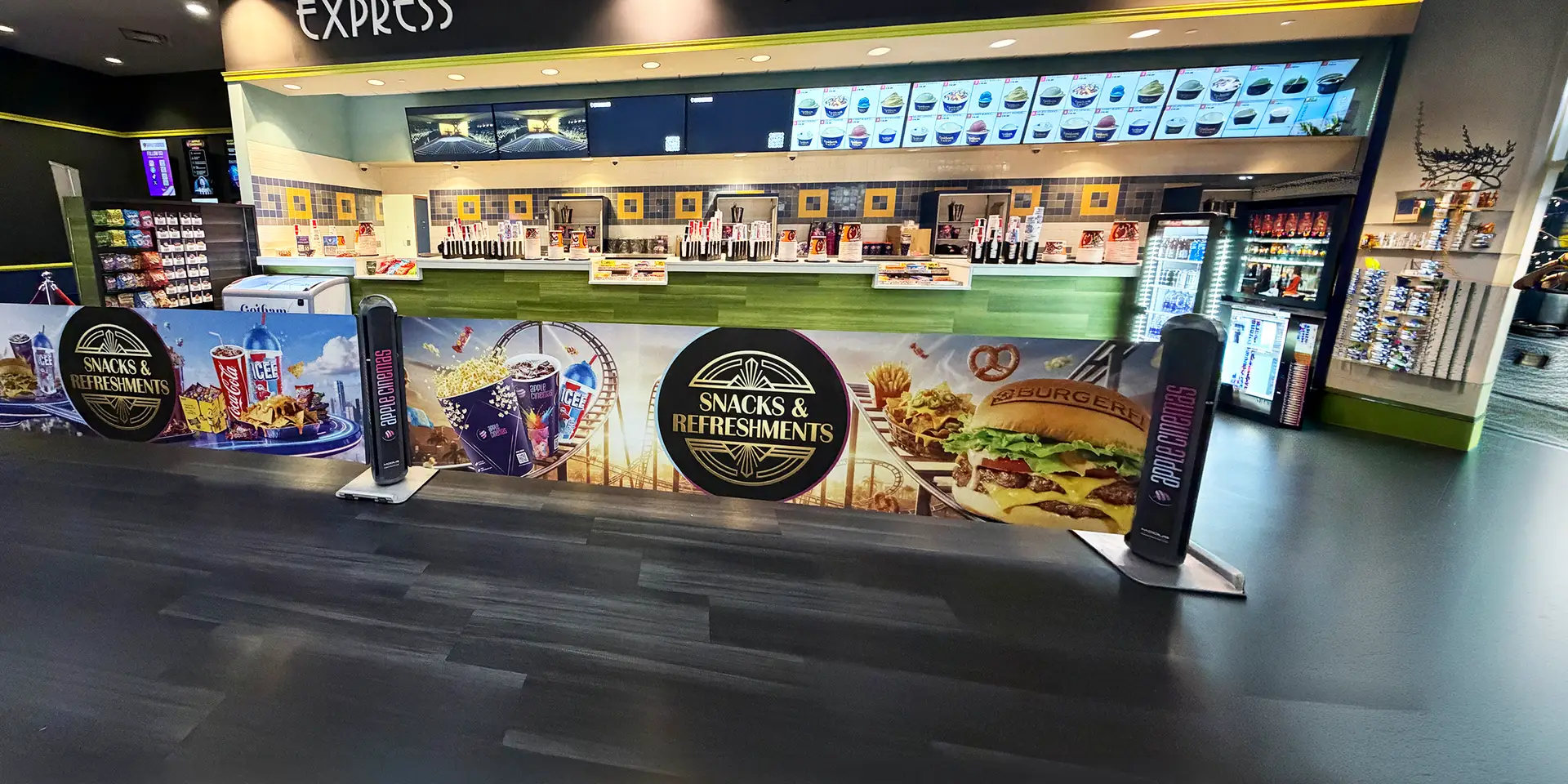
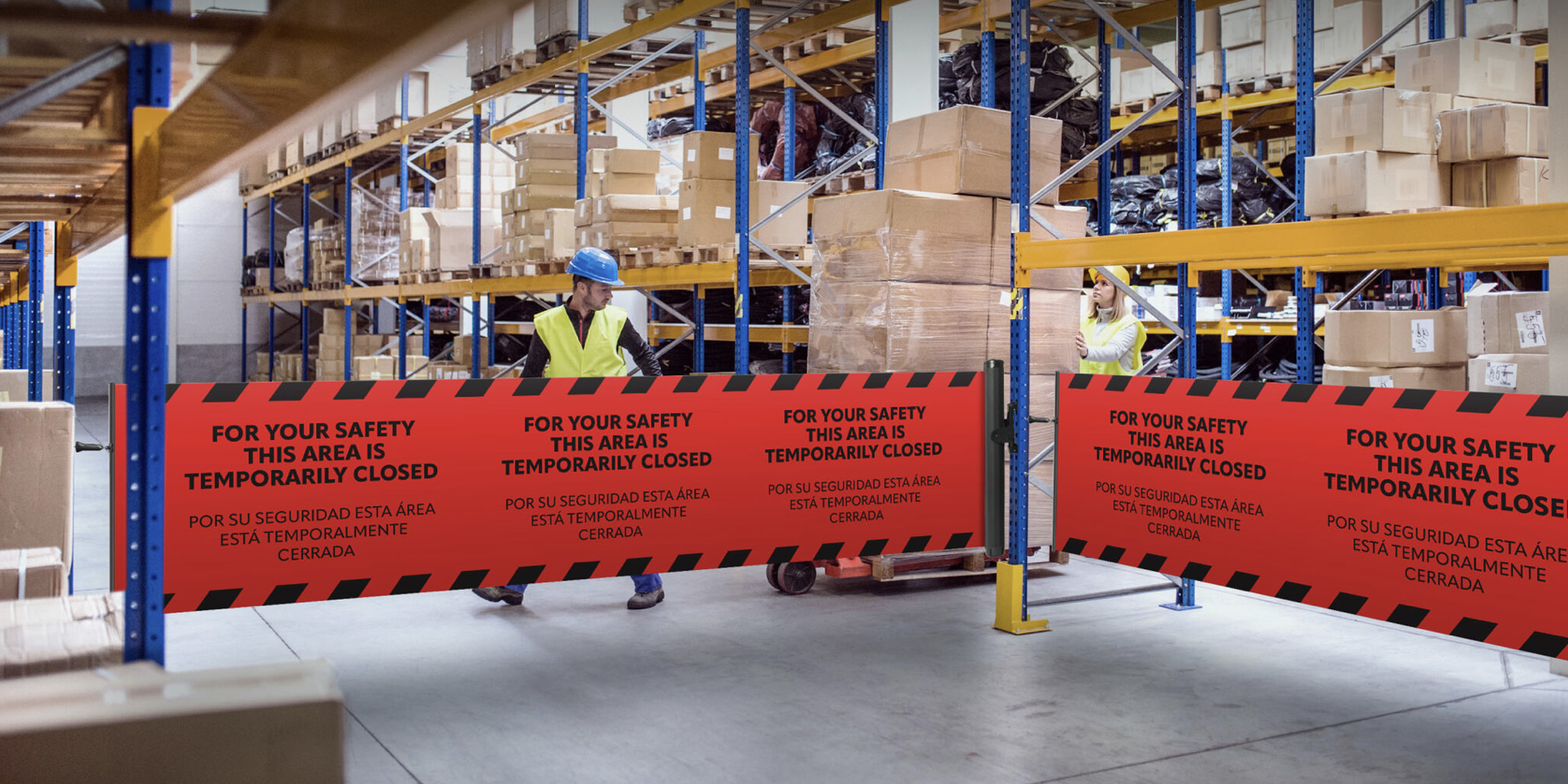
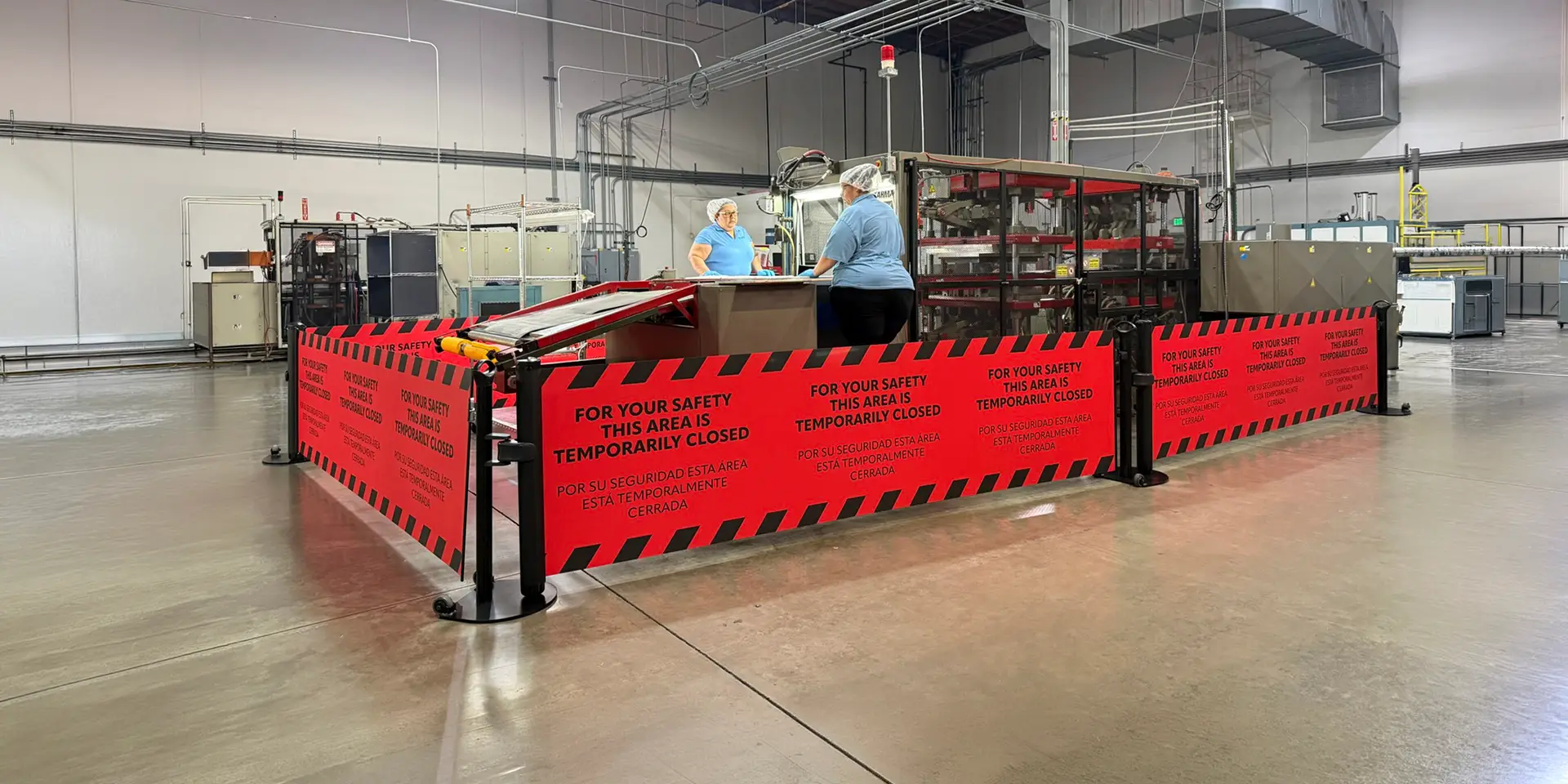
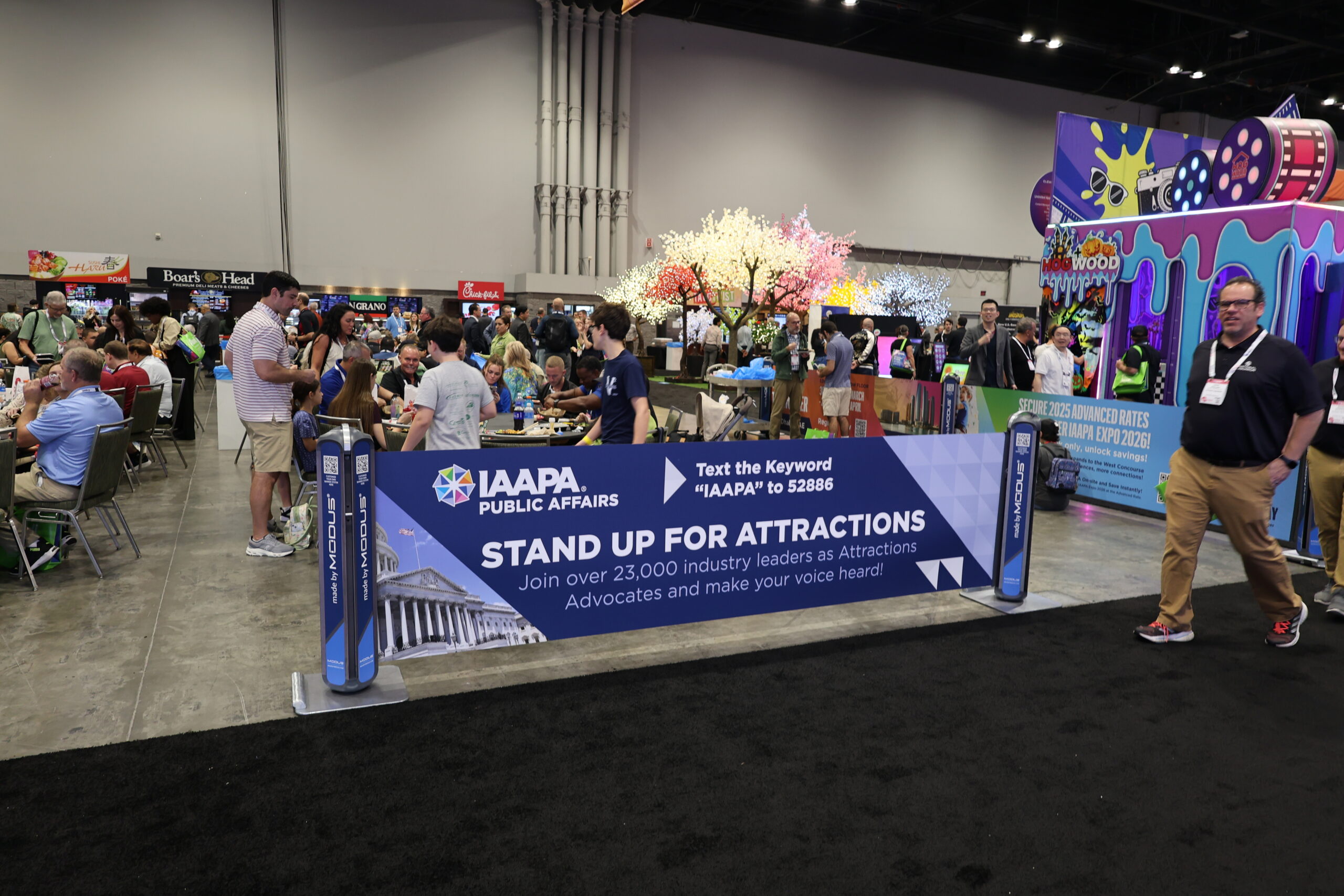
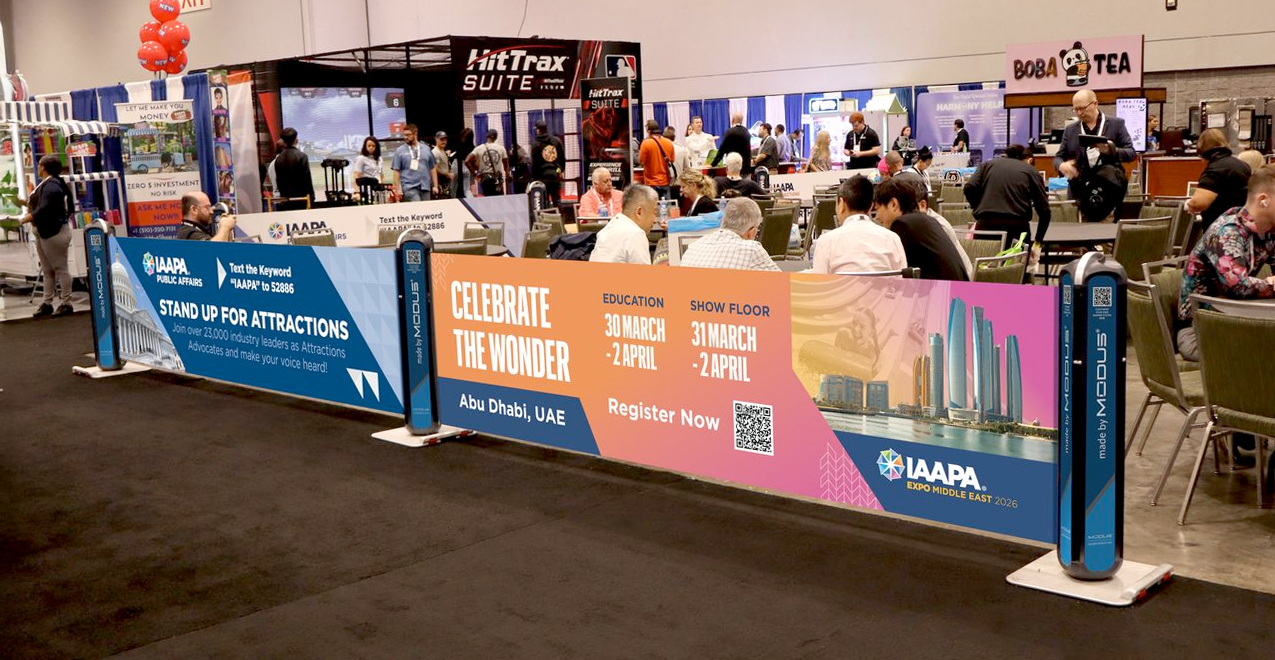
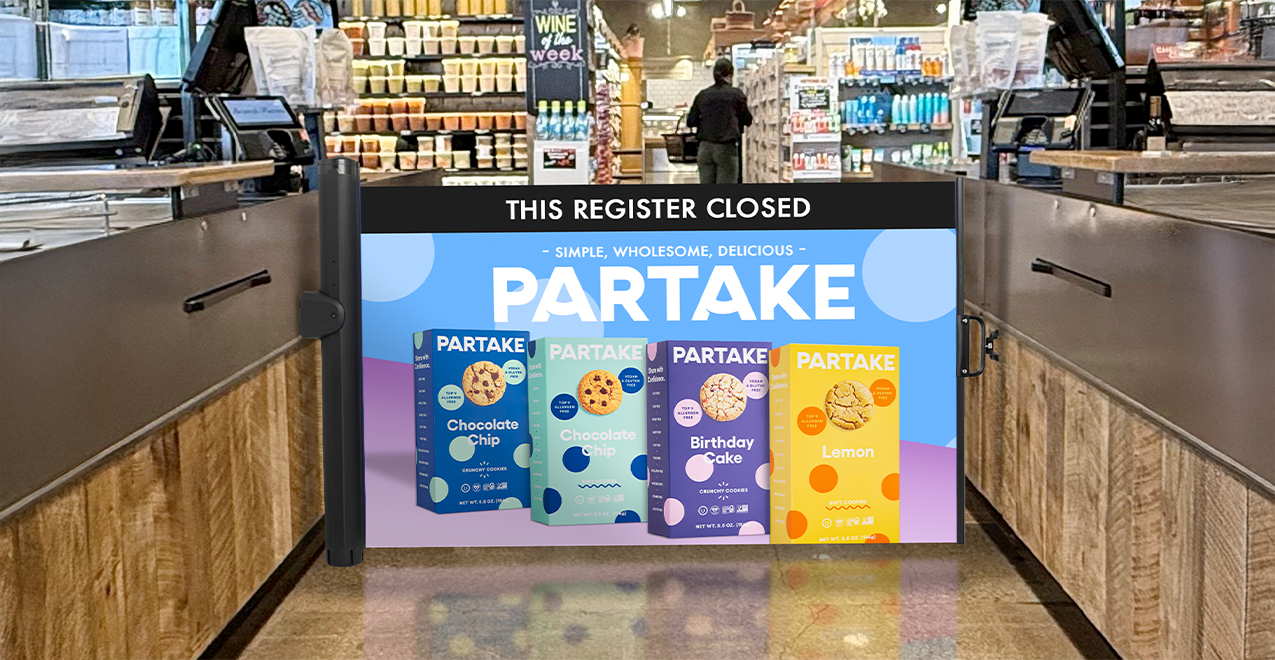
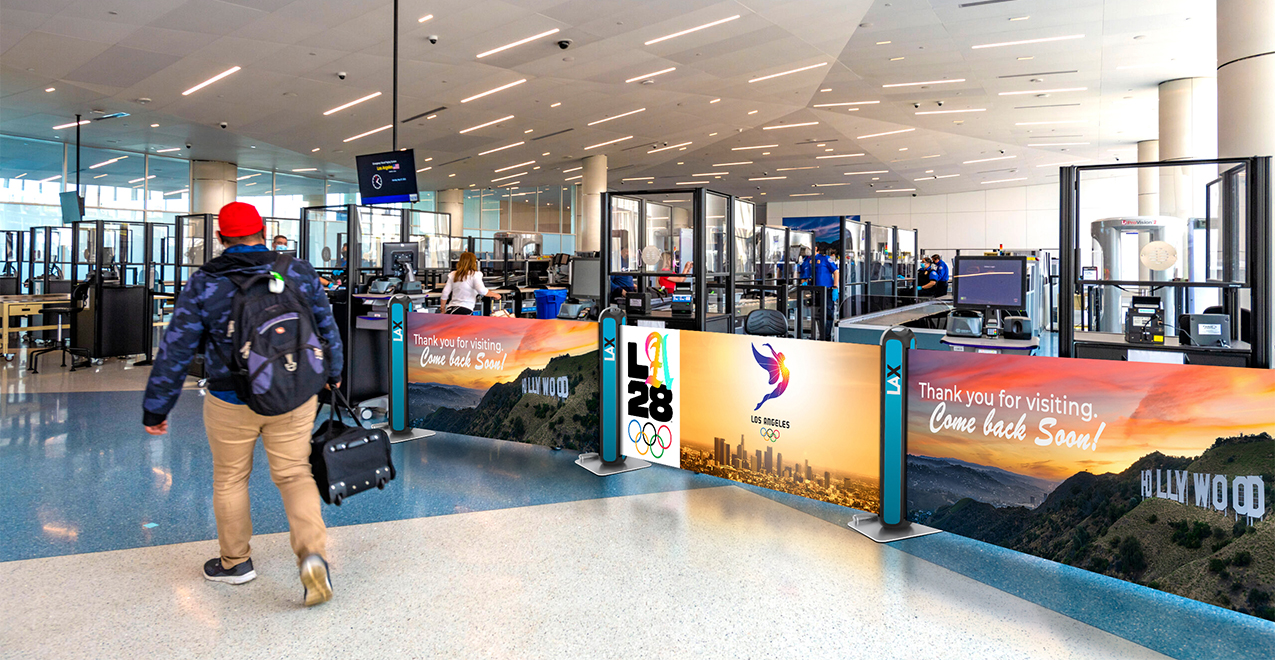
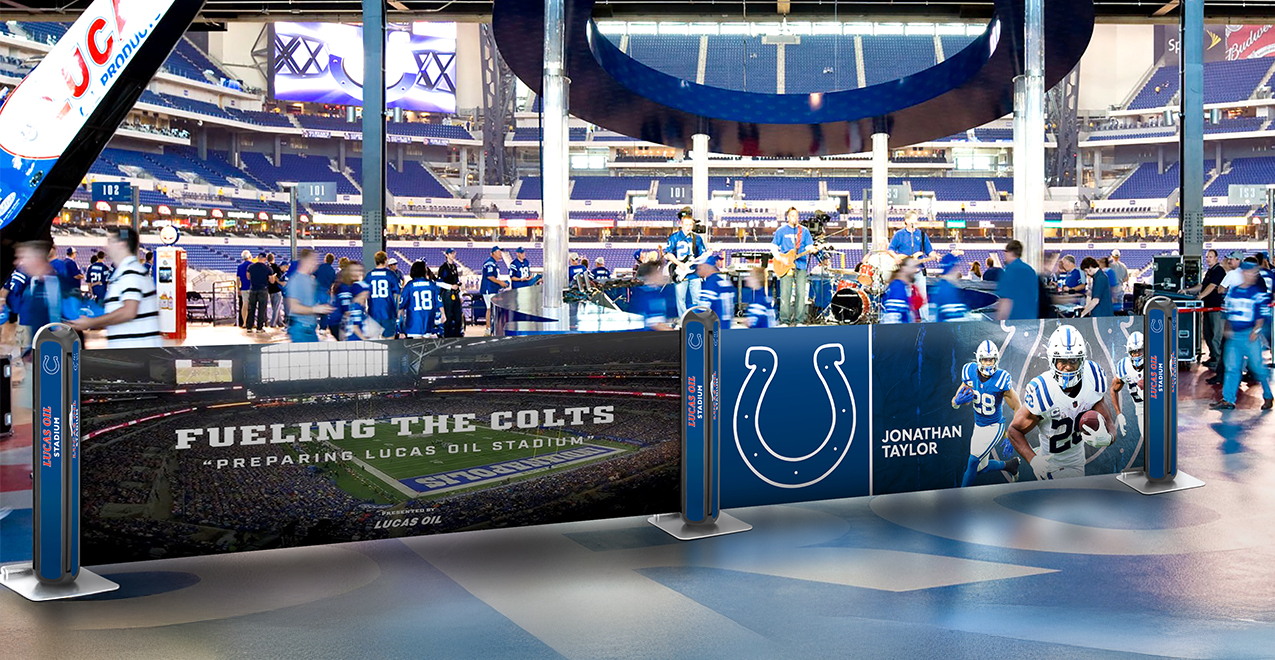
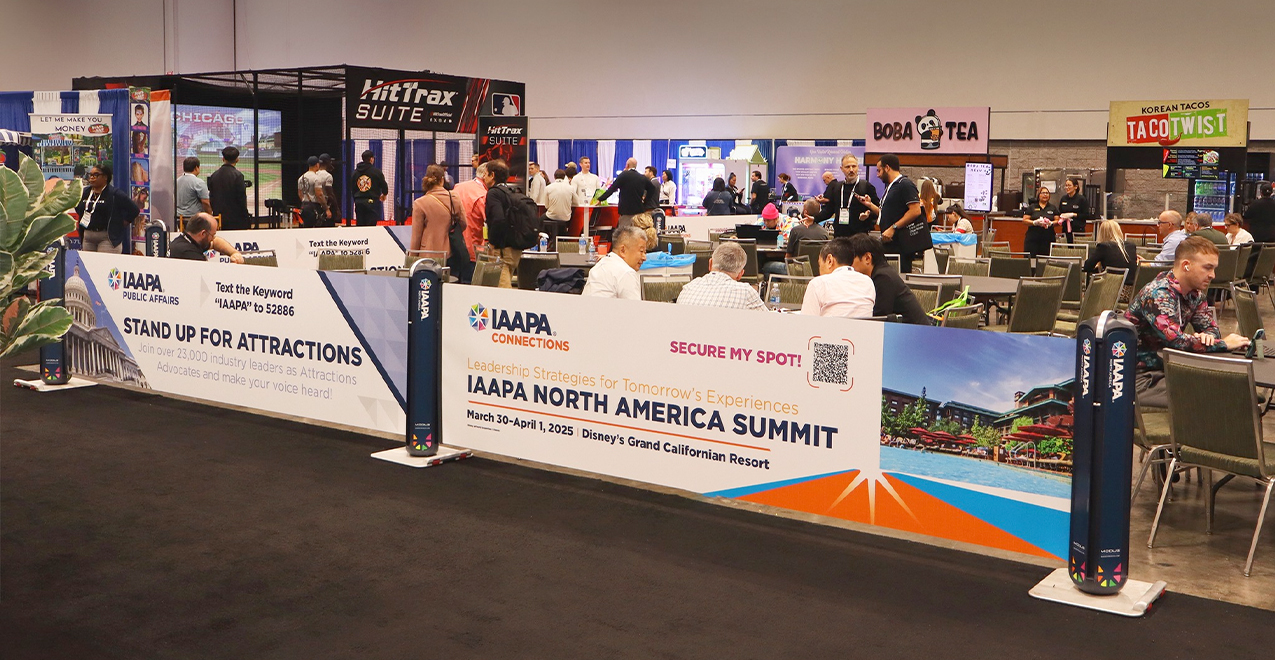
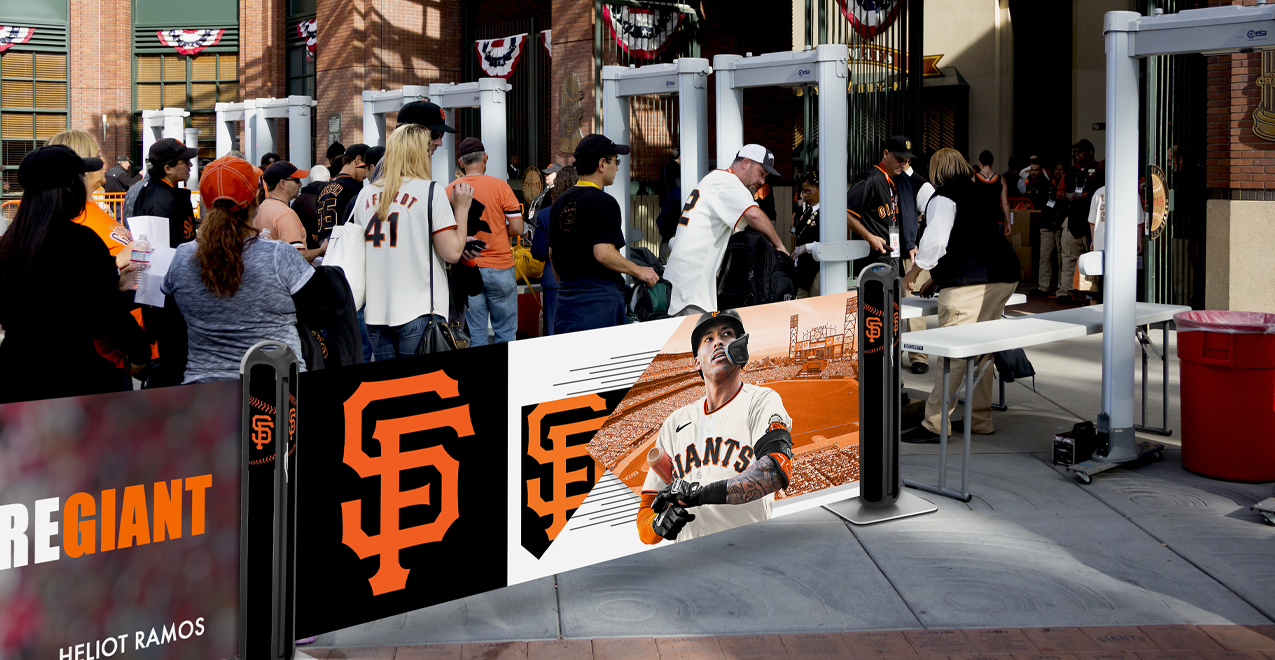
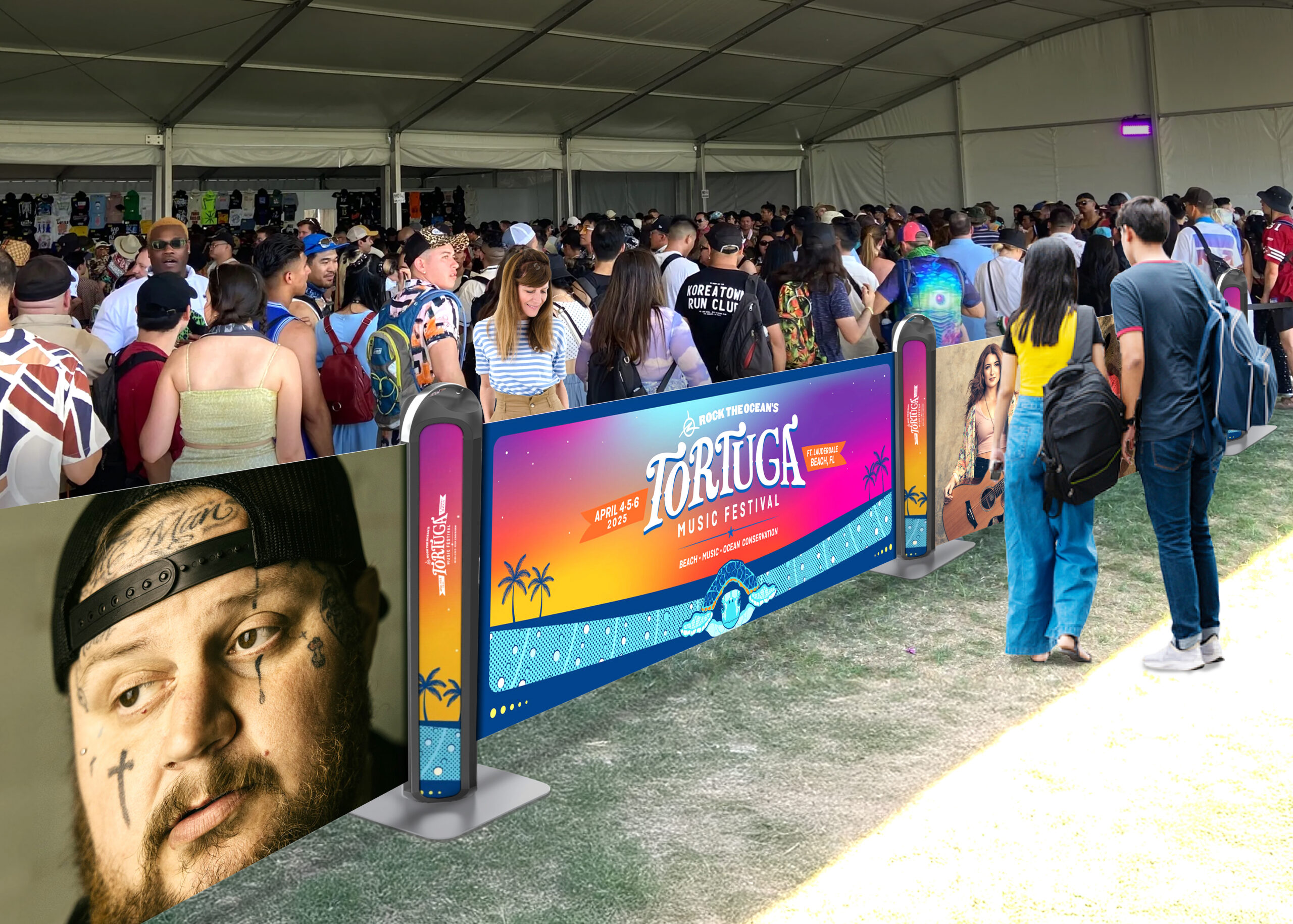
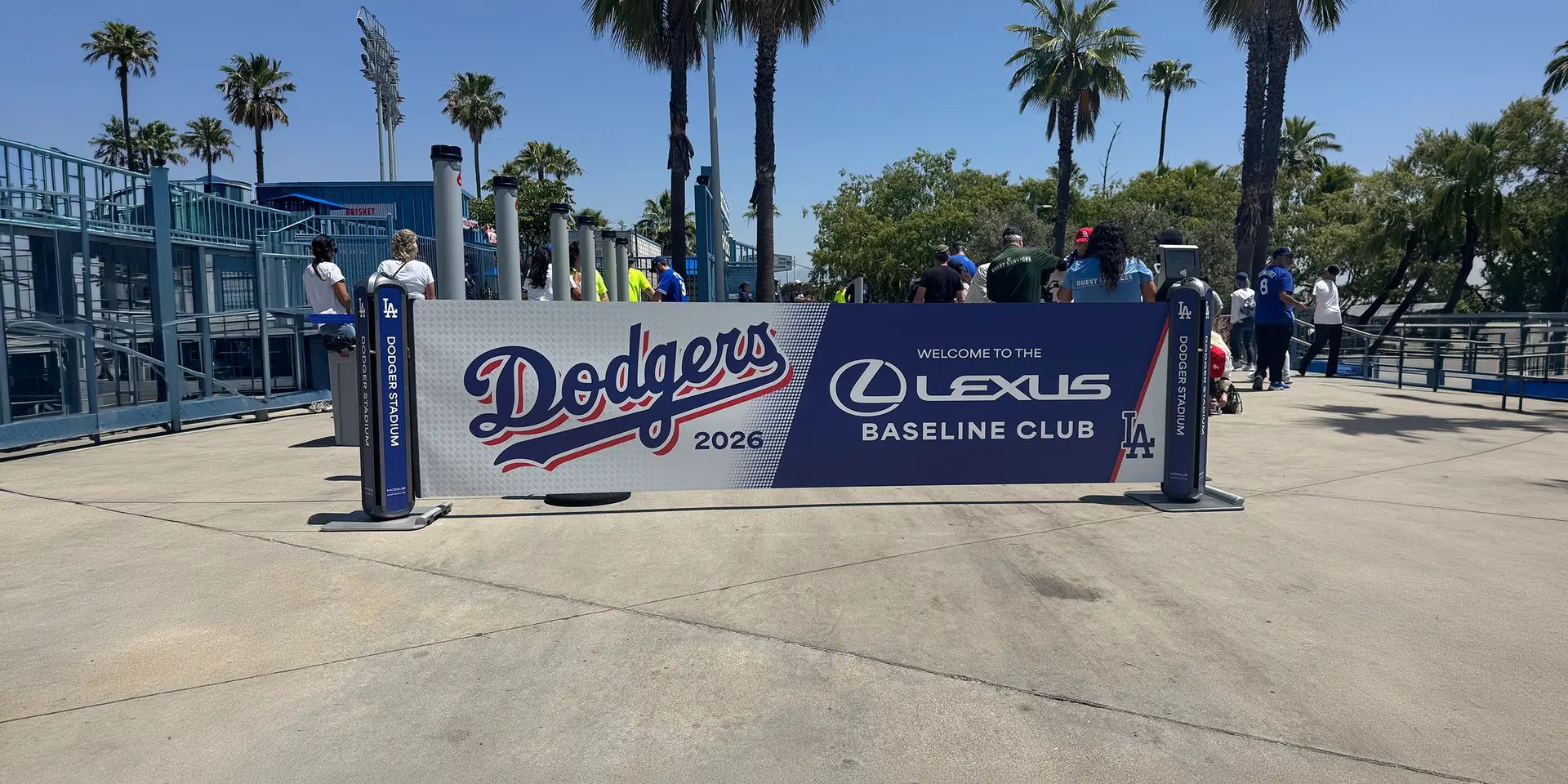
Rather than treating crowd-control barriers as temporary infrastructure, Spotlight turns them into dual-sided sponsorship surfaces that can support branding, promotions, partner activations, and event messaging throughout a venue footprint. Areas that once existed solely for operations can now function as sponsor-ready media inventory.
For sponsorship and revenue teams, that creates a more scalable approach to inventory creation. A single physical footprint can support different campaigns across games, concerts, theme nights, playoff runs, or seasonal partnerships simply by changing the creative. Instead of relying exclusively on static installations that may remain unchanged for months, venues gain the ability to refresh sponsorship messaging quickly and align it with evolving campaigns.
That flexibility matters because brand campaigns now move faster than traditional venue signage systems were designed to support. A sponsor promoting a product launch may require completely different creative than the same sponsor supporting a playoff push, holiday activation, or VIP hospitality experience. The ability to rapidly update messaging allows venues to offer more dynamic sponsorship packages while giving brand partners greater relevance within the live environment.
Just as importantly, the presentation itself has become part of the sponsorship value equation. Traditional barricades, temporary fencing, and operational signage often feel industrial or improvised, particularly in premium environments. For brands investing heavily in sports partnerships, the visual quality of the environment matters. Sponsors want placements that look polished, appear intentional on social media, and integrate naturally into the fan experience.
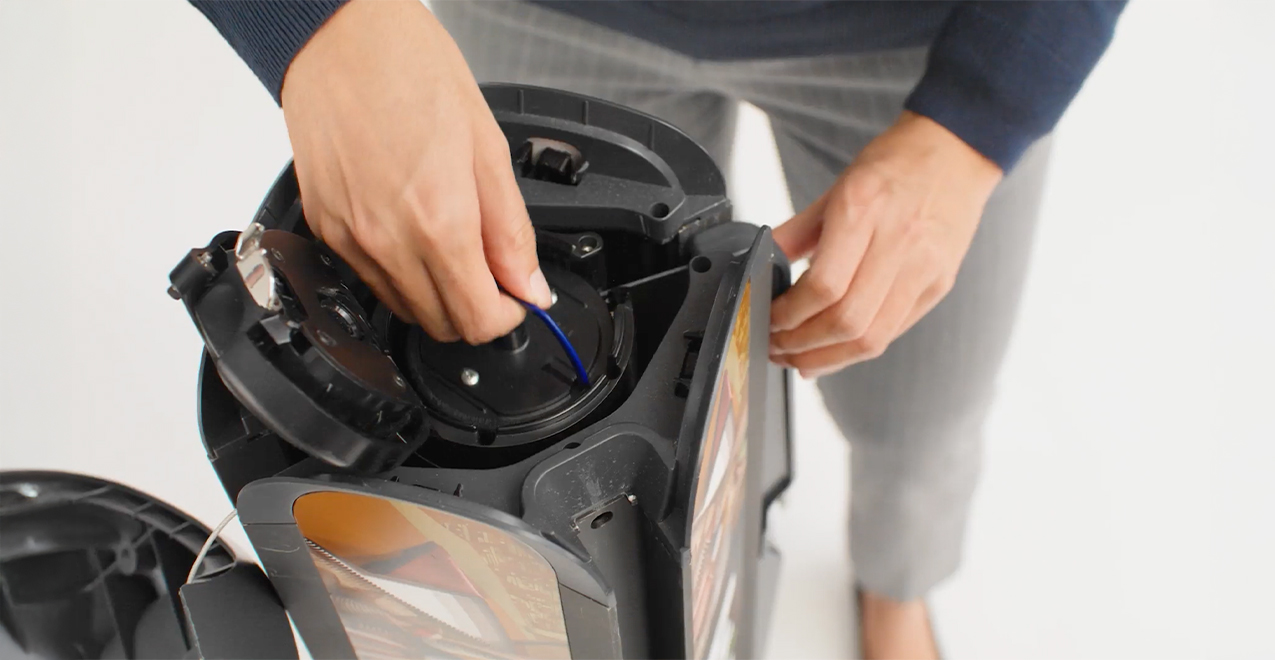
Spotlight addresses that by combining advertising-grade fabric, clean graphics, anti-sag tensioning, and a more refined presentation system that elevates the appearance of operational zones. The result is infrastructure that still manages crowd flow while contributing to a cleaner, more premium venue environment. That distinction becomes especially important in high-energy fan moments where visibility and atmosphere intersect.
At the X Games, Spotlight made spaces feel more polished and sponsor-ready by transforming high-traffic zones like concessions, merchandise areas, and VIP sections into branded environments. With the Kansas City Chiefs, Spotlight created a cleaner and more organized player arrival environment: an increasingly visible and culturally relevant fan moment that also presents future sponsorship opportunities. The Cleveland Guardians similarly used Spotlight to replace more utilitarian crowd-control setups with branded, premium-looking media surfaces.
In each case, the operational need already existed. The opportunity was in making those spaces more valuable. For venues, that creates a compelling sponsorship proposition because it expands inventory without requiring major construction, permanent installations, or additional real estate. Existing crowd-control zones become monetizable assets that can be repositioned, refreshed, and scaled across multiple events and environments.
For brand managers, it creates a more immersive way to appear inside live events. Rather than existing only as static signage in the background, brands become integrated into the spaces where fans are actively engaging with the experience.
Ultimately, the venues creating the most valuable sponsorship opportunities are not simply adding more signage. They are rethinking how the entire fan environment can support partners in a way that feels intentional, flexible, and experience-driven. When operational infrastructure becomes premium media, venues create more opportunities for sponsors to show up and better reasons for brands to invest.