In large industrial environments, clarity is everything. Warehouses, distribution centers, and manufacturing floors are constantly in motion, with multiple processes happening at once. Without clearly defined work zones, it becomes easy for operations to blur. This can lead to inefficiencies, unnecessary disruptions, and safety risks.
Creating distinct workstations isn’t just about organization. It’s about control, communication, and consistency across the floor.
Why Work Station Clarity Breaks Down at Scale
At smaller scales, work areas are easier to define. But in larger facilities, the challenge becomes more complex. Work stations expand, processes overlap, and temporary zones are introduced for maintenance, overflow, or reconfiguration. Over time, what starts as a clearly defined layout can turn into a patchwork of cones, tape, and inconsistent barriers.
The result is an environment where boundaries are less clear, movement between zones becomes more fluid, and temporary setups take on a permanent role without the structure to support them. When work stations are not clearly defined, both safety and operational efficiency begin to erode.
Defining Work Stations with Physical Boundaries
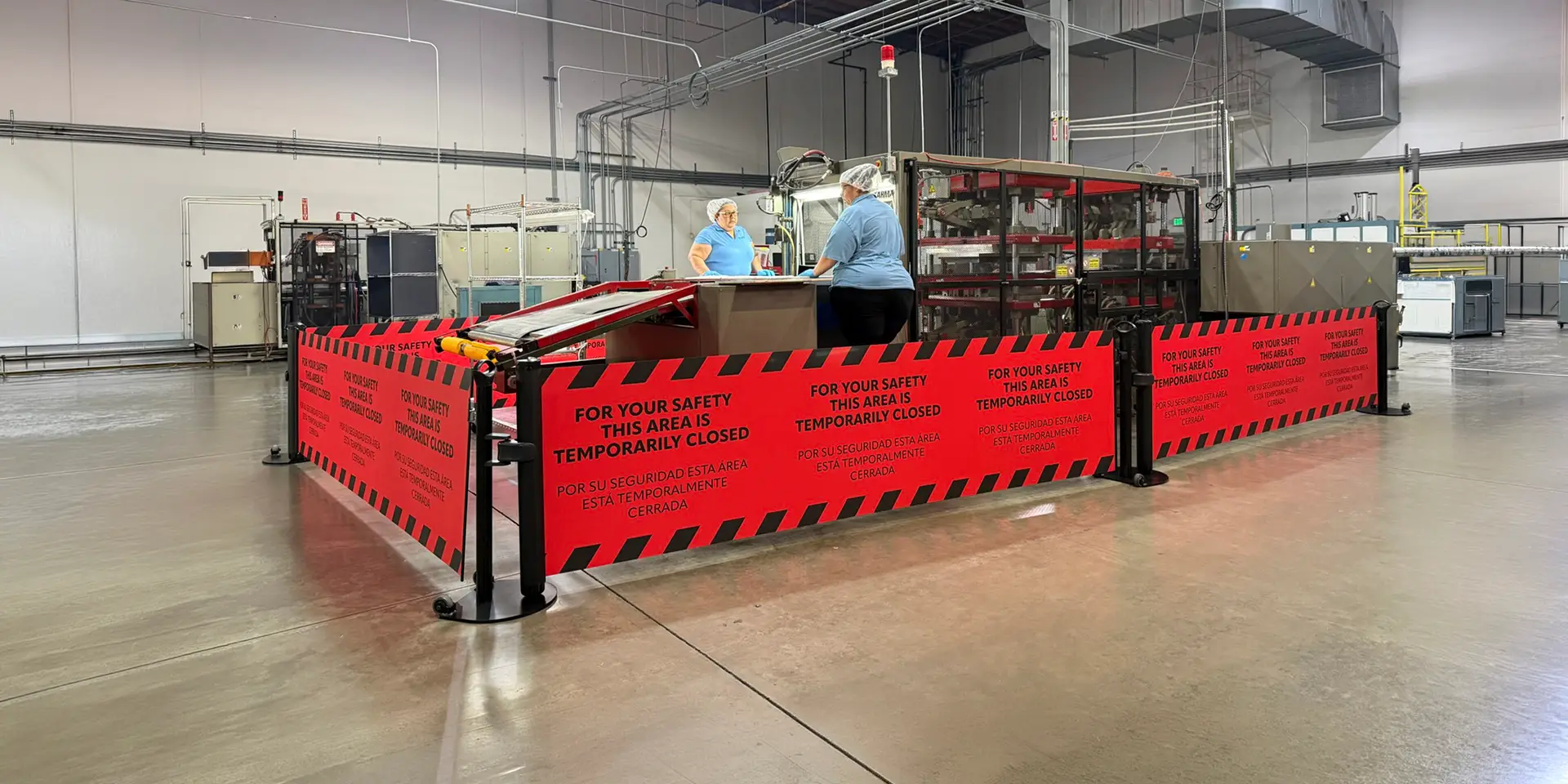
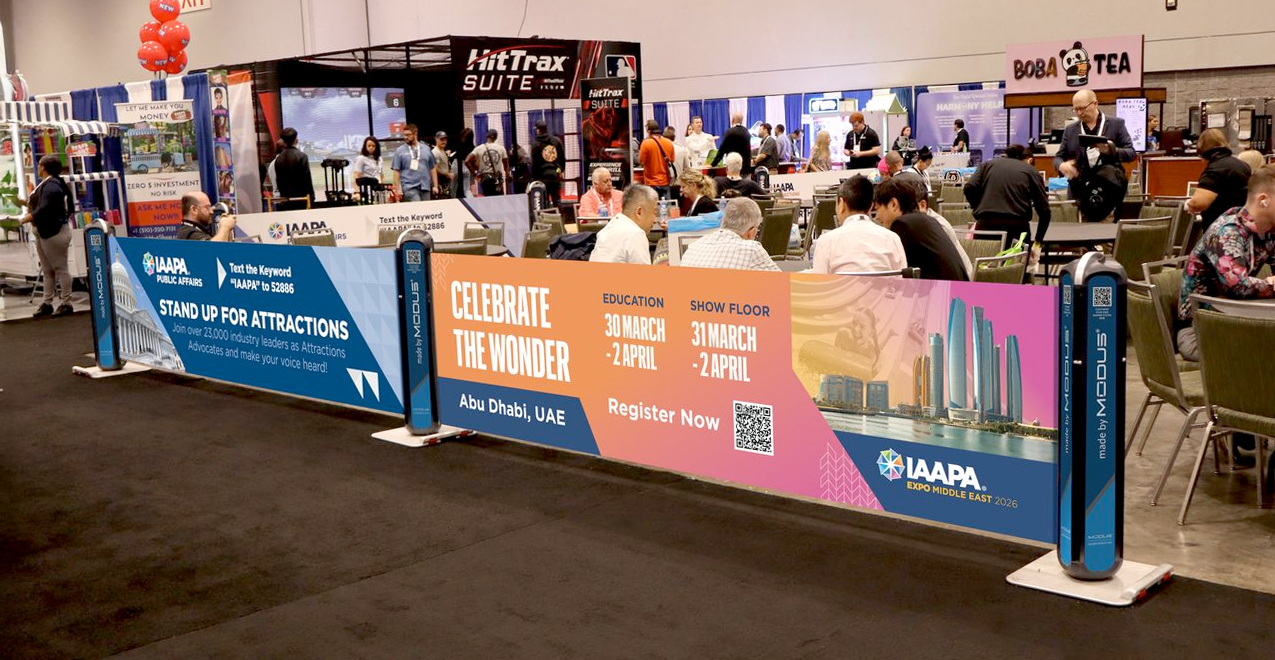
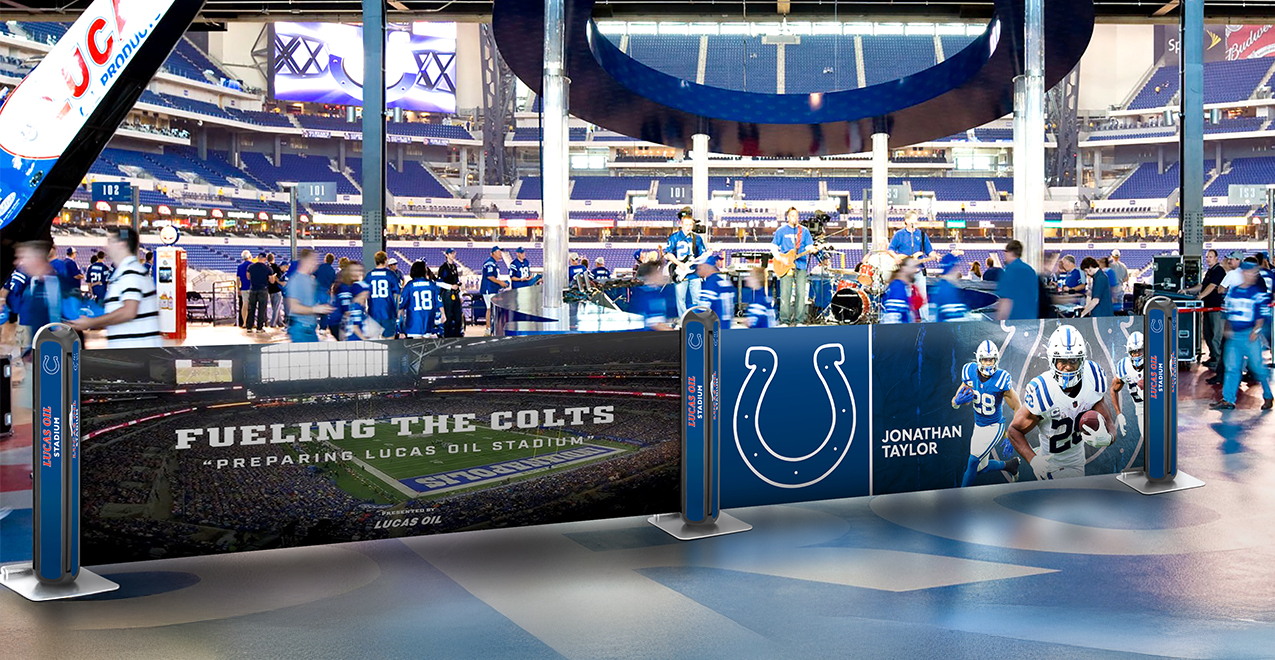
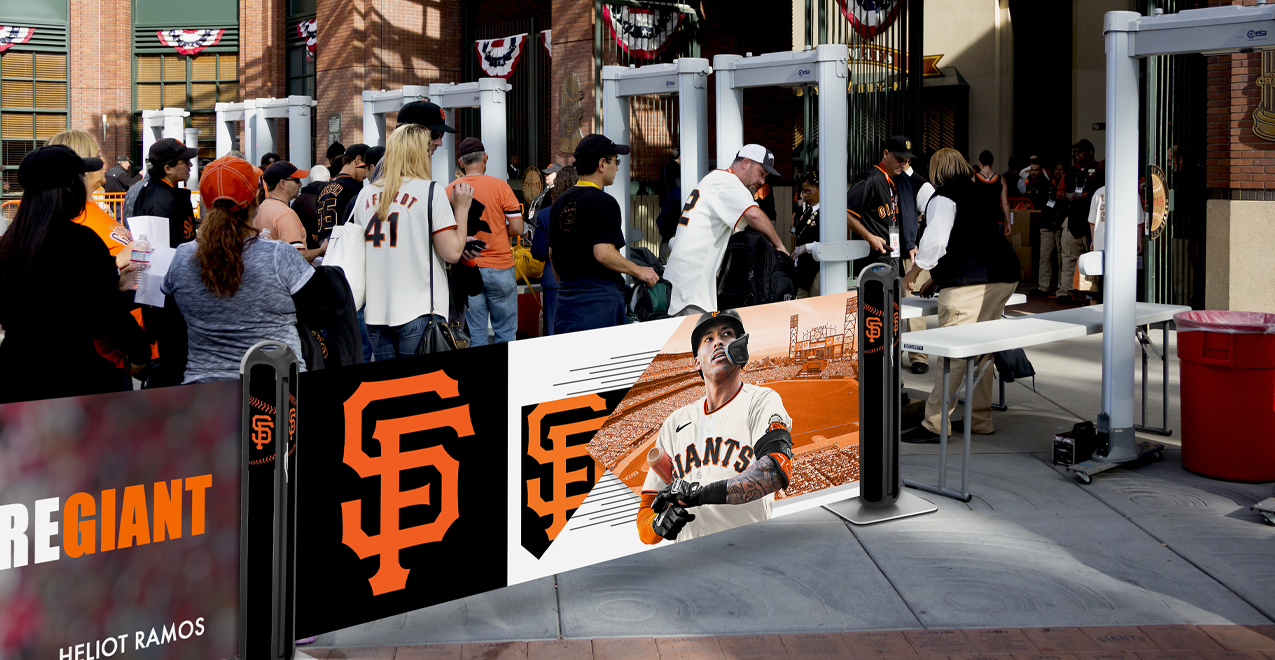
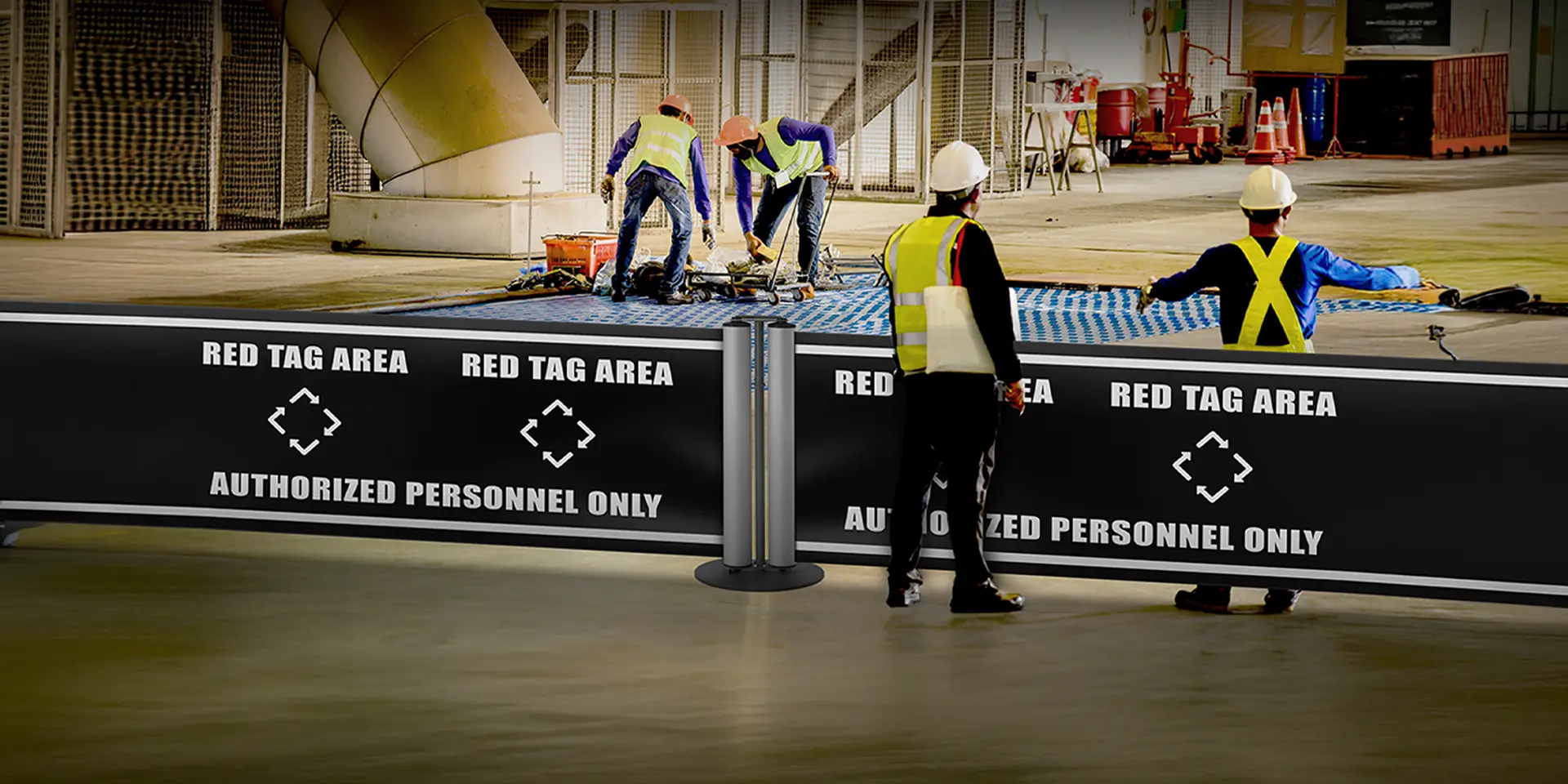
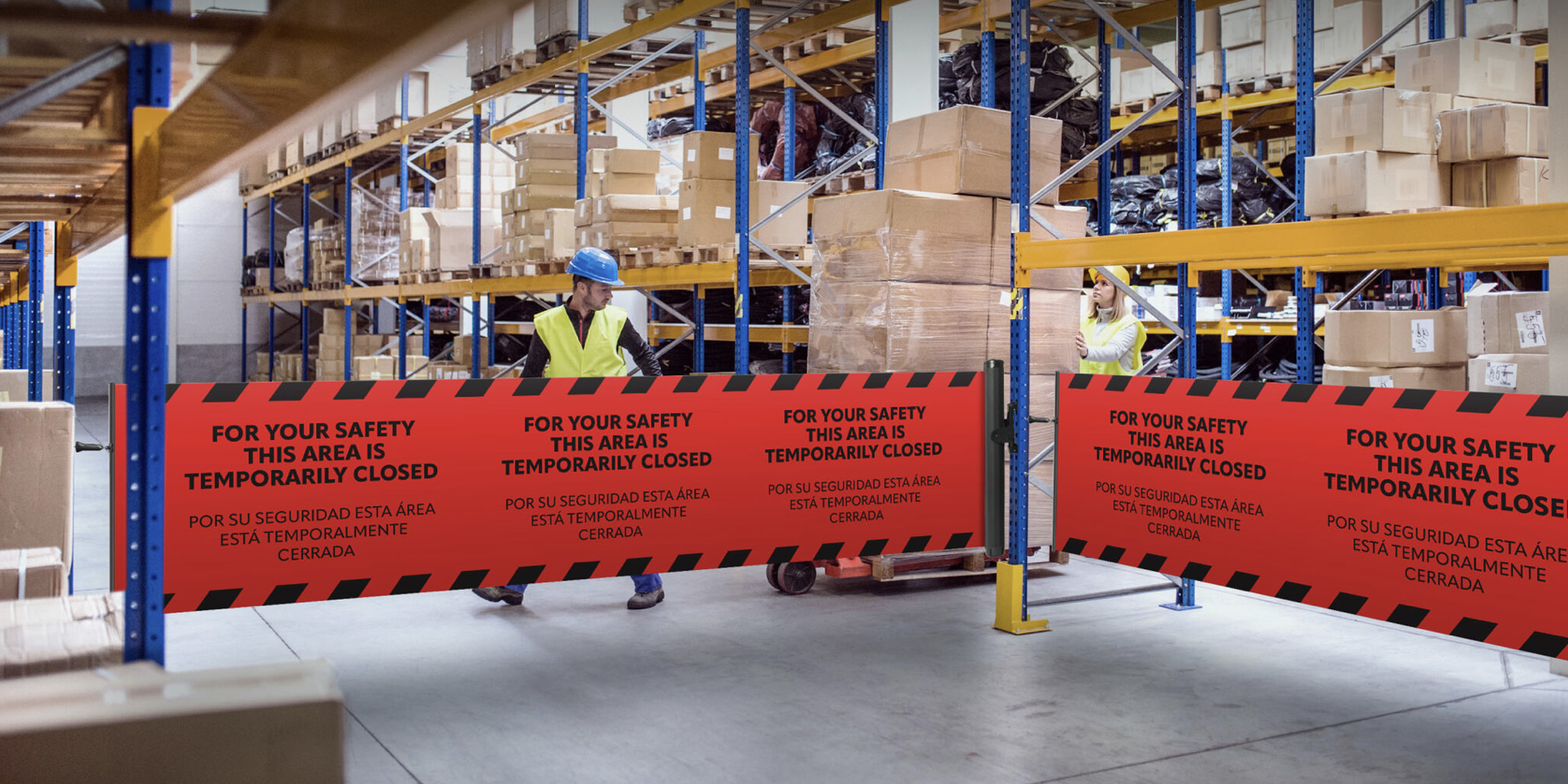
The most effective way to create distinct work stations is through clear, physical separation. Visual cues like floor markings and signage can help, but they are often not enough in high-traffic environments. Barrier systems like ZonePro® provide a more reliable solution by establishing visible, enforceable boundaries that clearly define where one process ends and another begins.
This becomes especially important in areas such as:
- Packing and sorting
- Equipment-specific work zones
- Maintenance or repair areas
- Temporary staging or overflow zones
Instead of relying on informal cues, teams can create structured, repeatable workstation layouts that hold up over time.
Scaling Across Larger Environments
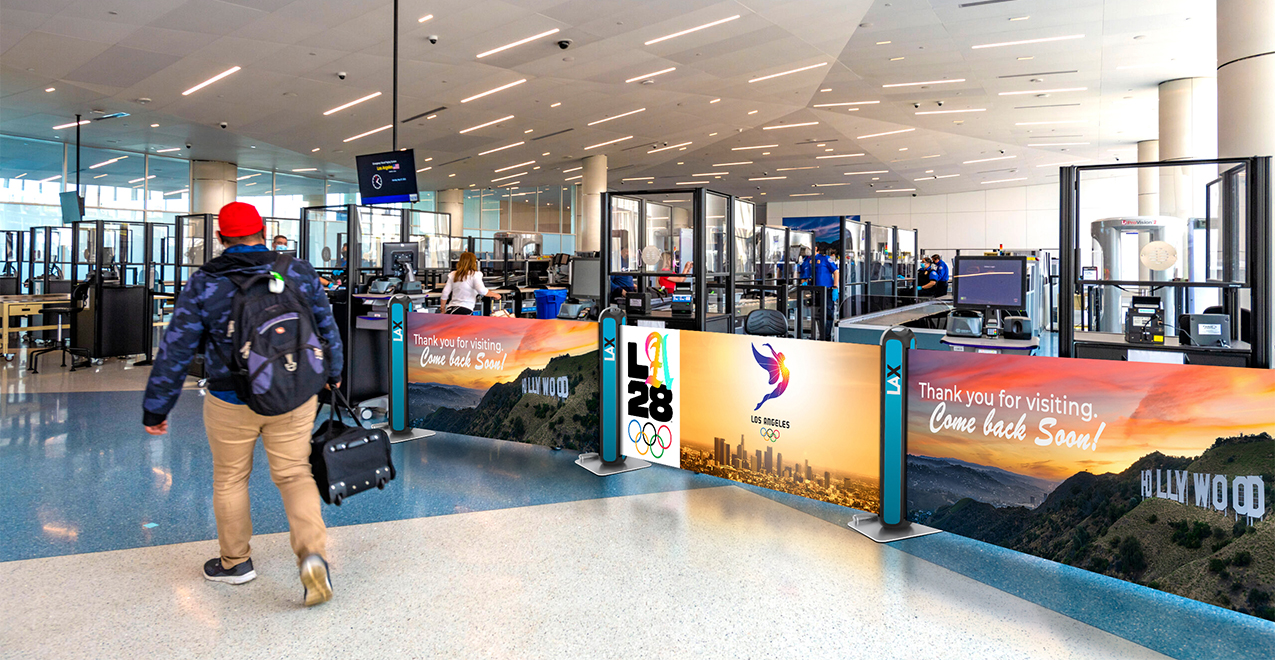
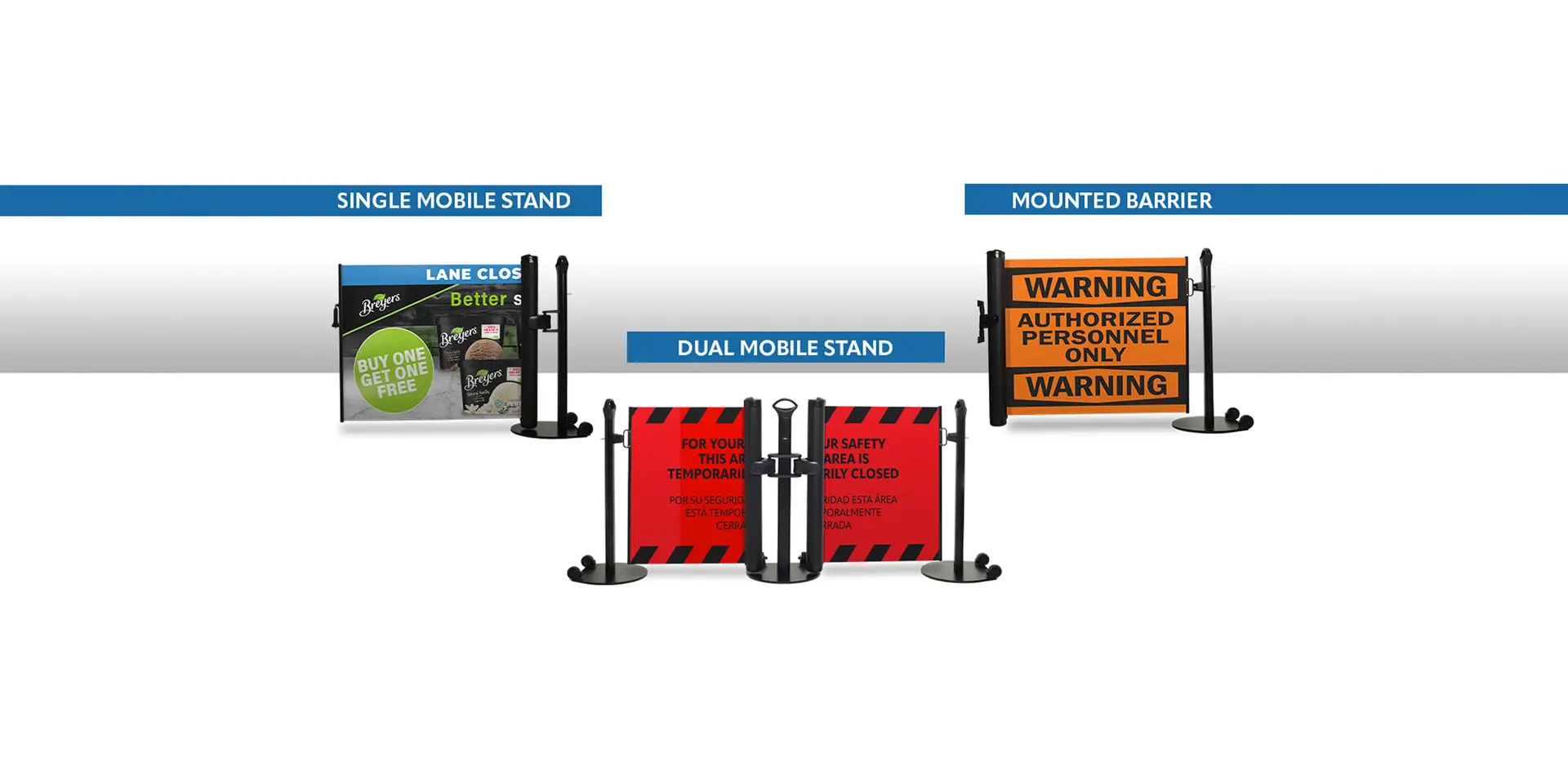
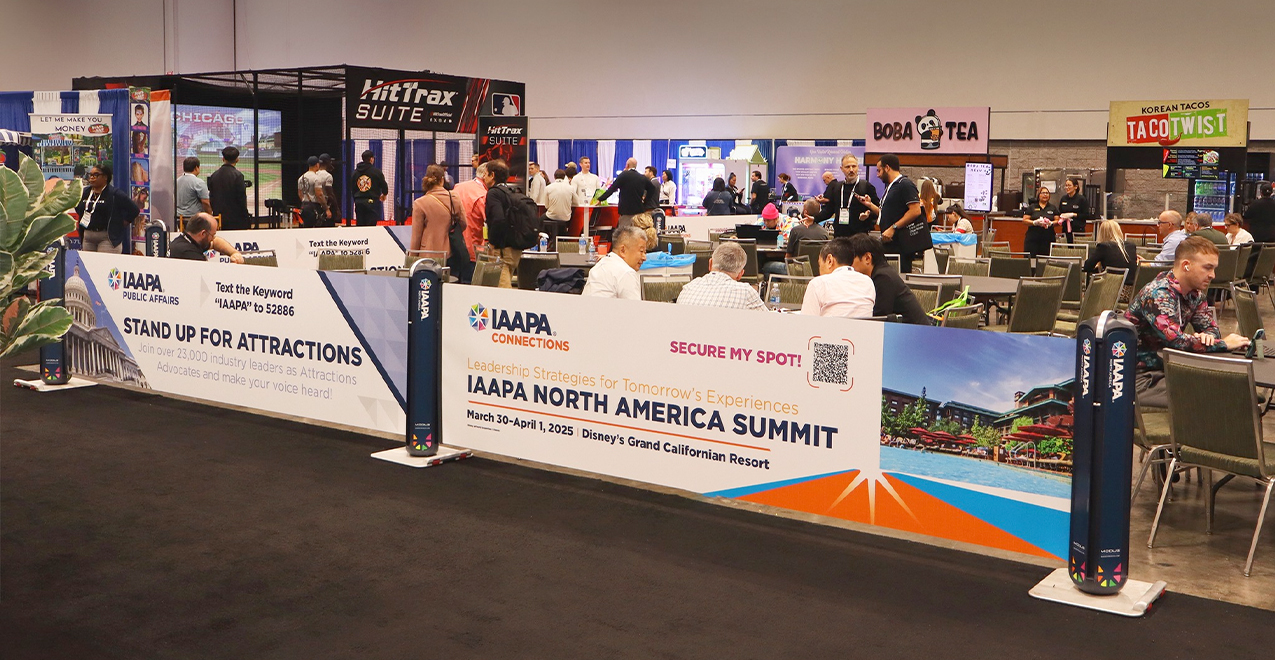
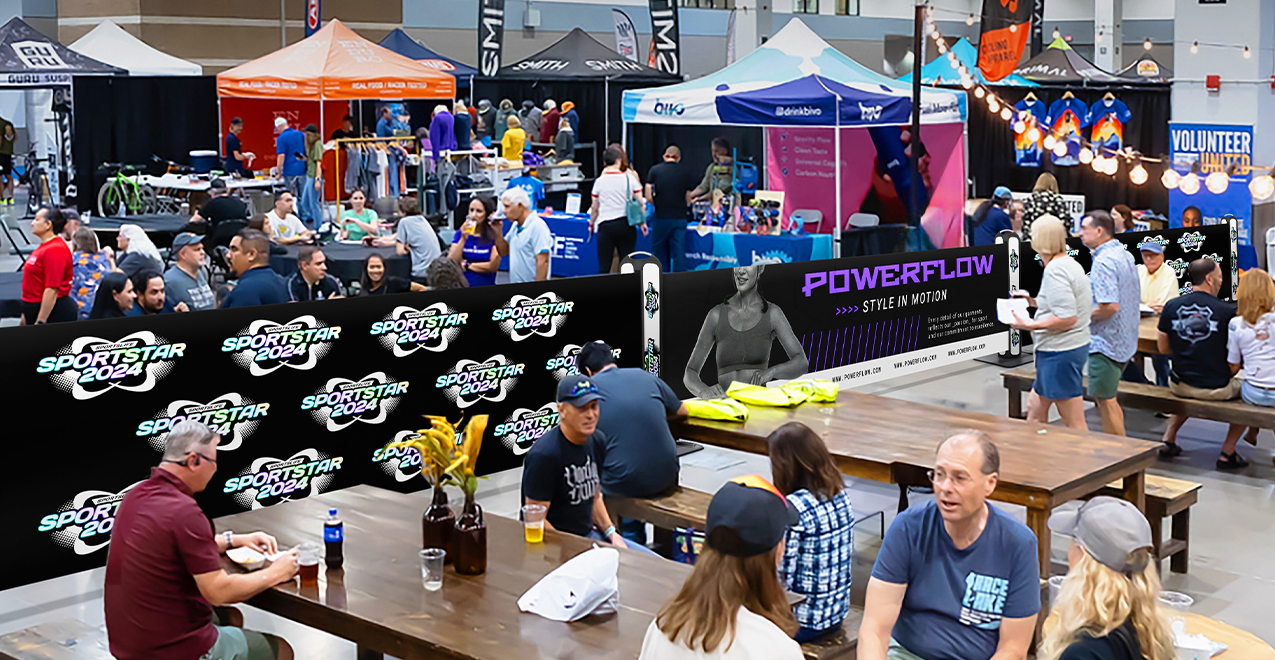
As facilities scale, consistency becomes increasingly important. This is where ZonePro plays a key role. With extended banner lengths and greater coverage per unit, it allows teams to define larger workstation areas more efficiently. Dual configurations can be used to create continuous boundaries across wider zones, helping maintain clarity even in expansive environments where traditional solutions fall short.
At scale, this approach delivers:
- Reduced gaps between work areas
- More consistent zone definition
- Faster setup and reconfiguration as operations evolve
Rather than piecing together multiple temporary solutions, facilities can implement a cohesive system that supports workstation control across the entire floor.
Reinforcing Workstations Through Messaging
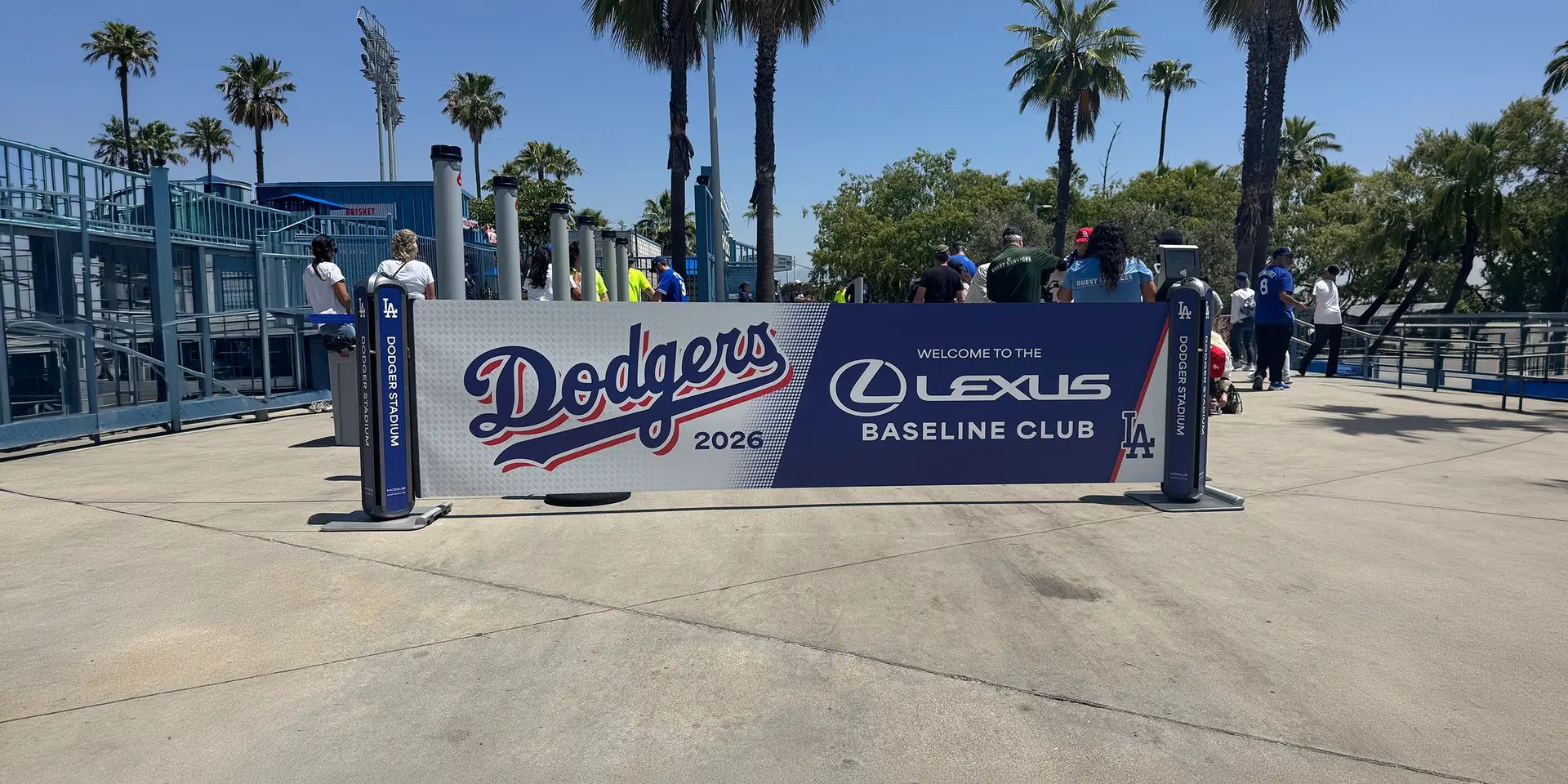
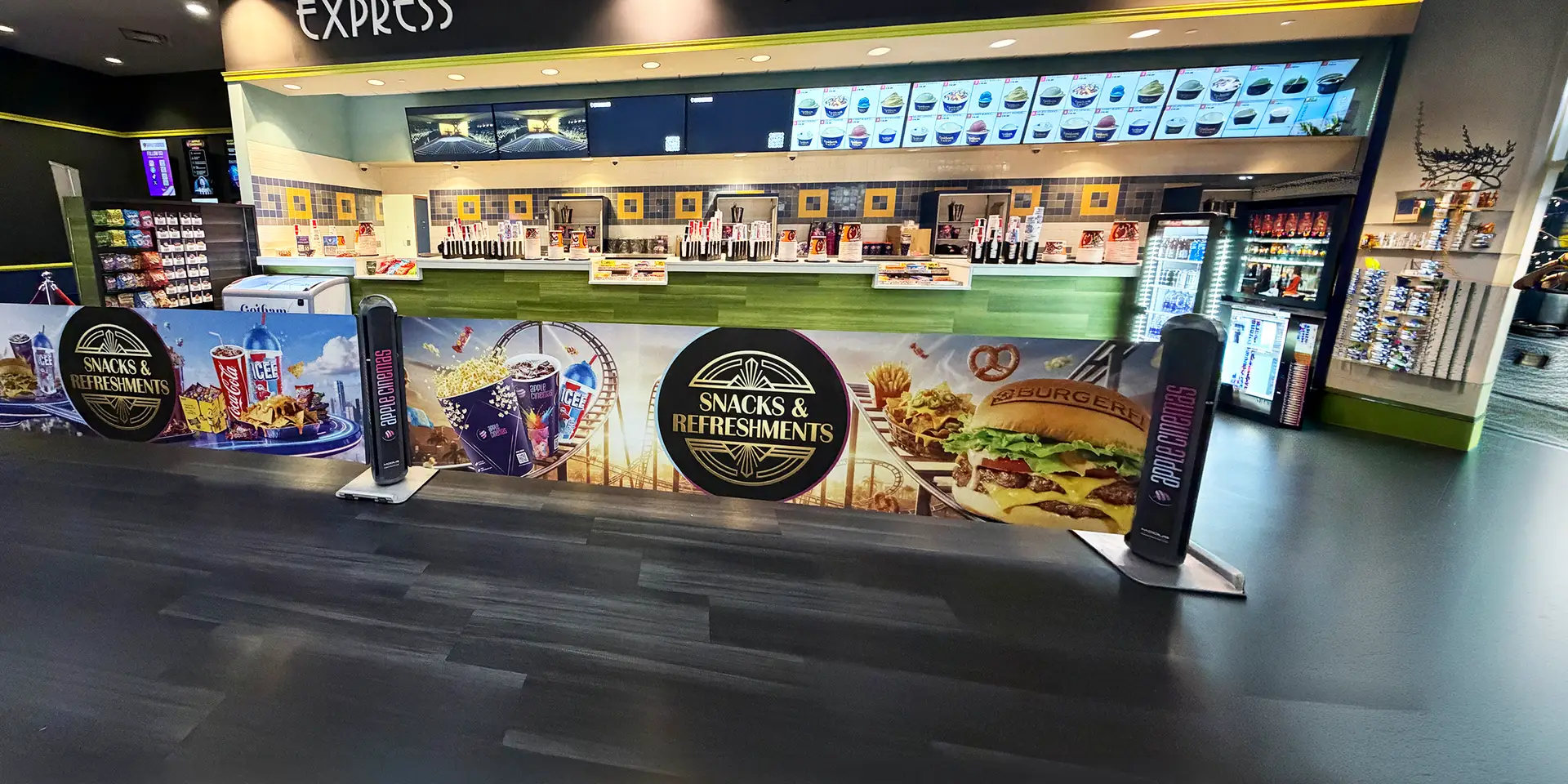
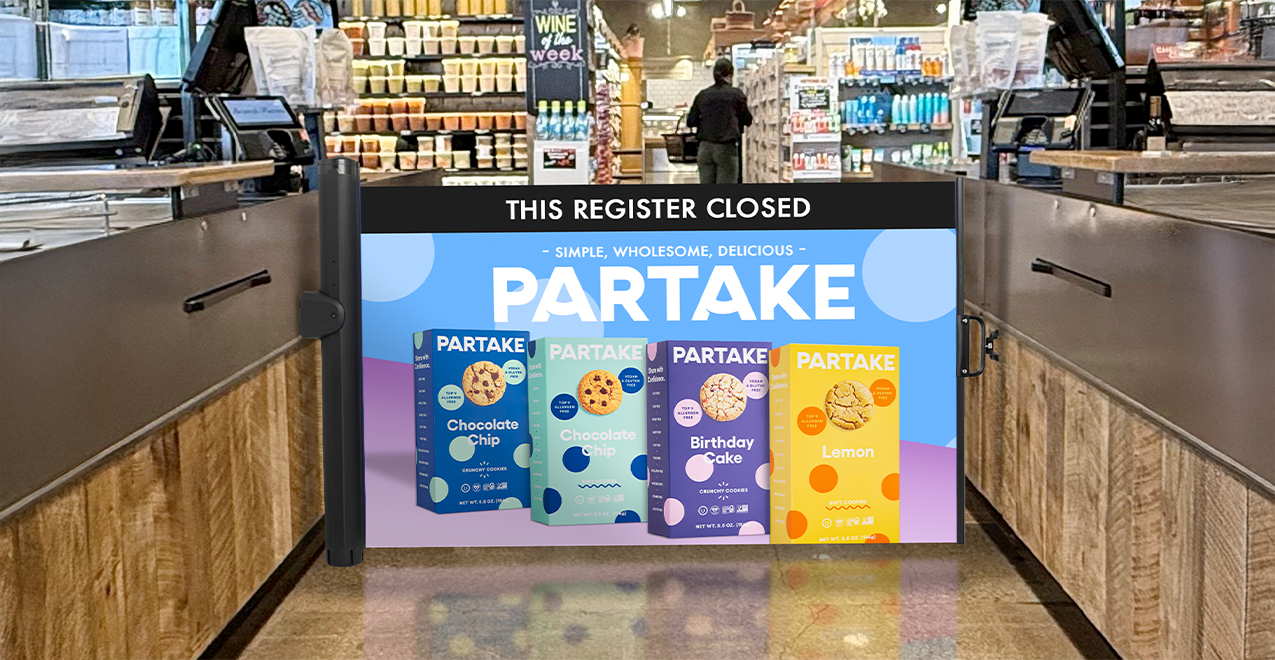
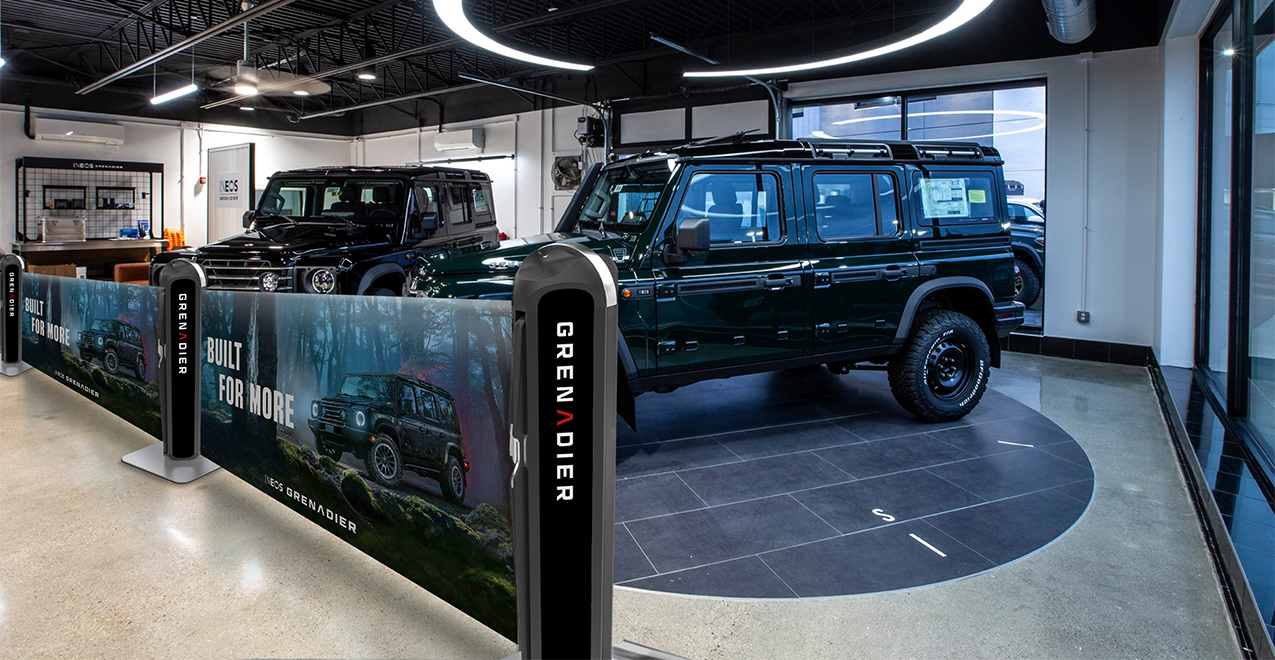
Clear boundaries are the foundation, but messaging strengthens the system. ZonePro banners can be customized to communicate workstation purpose, safety requirements, and process-specific instructions. This ensures that each zone is not only physically defined, but also clearly understood by the people working within it.
Bringing Structure to Scale
Creating distinct workstations at scale is ultimately about reducing ambiguity. When boundaries are clear and consistent, employees know where to go, where not to go, and what each area represents. With systems like ZonePro, facilities can move beyond improvised layouts and establish workstations that are defined, adaptable, and built to support real-world operations. Because in large-scale environments, structure isn’t just helpful, it’s essential.