Walk into a modern theater today and the improvement upon the old-school multiplex is immediately clear. Premium formats, upgraded seating, elevated food and beverage offerings: the cinema experience has been reimagined to meet higher expectations. But there’s one detail that often gets overlooked. The infrastructure guiding guests through that experience still hasn’t changed.
The Disconnect Between Experience and Environment
From the moment guests arrive, they move through a series of spaces that shape their perception of the venue, including entrances, ticketing areas, and concession lines. These aren’t just functional areas. They’re part of the experience. And yet, many theaters are still relying on traditional belt stanchions to manage them.
Originally designed for basic crowd control, these systems feel increasingly out of place in environments that are otherwise polished, branded, and thoughtfully designed. They’re generic, visually inconsistent, and offer no way to communicate with guests. In a space where every detail matters, that gap is noticeable.
The Moments Between Matter
The time spent moving through a theater — buying or scanning a ticket, buying snacks, and finding your show — is often treated as neutral. It isn’t. These moments are where first impressions are formed, where purchase decisions begin to take shape, and where the overall tone of the experience is reinforced or undermined.
A cluttered or purely functional setup can break immersion. A clear, intentional environment does the opposite: it builds confidence, reinforces brand identity, and creates a more seamless journey from arrival to auditorium.
What Modern Theater Infrastructure Needs to Do
As theaters continue to elevate their offerings, the systems used to organize space need to evolve as well. That means moving beyond basic crowd control toward infrastructure that can:
- Guide guests clearly and intuitively
- Reflect the quality and branding of the venue
- Support messaging, promotions, and wayfinding
- Adapt across multiple use cases — from entry to concessions to VIP areas
In other words, infrastructure that doesn’t just manage movement, but contributes to the overall experience.
A More Intentional Approach to Space
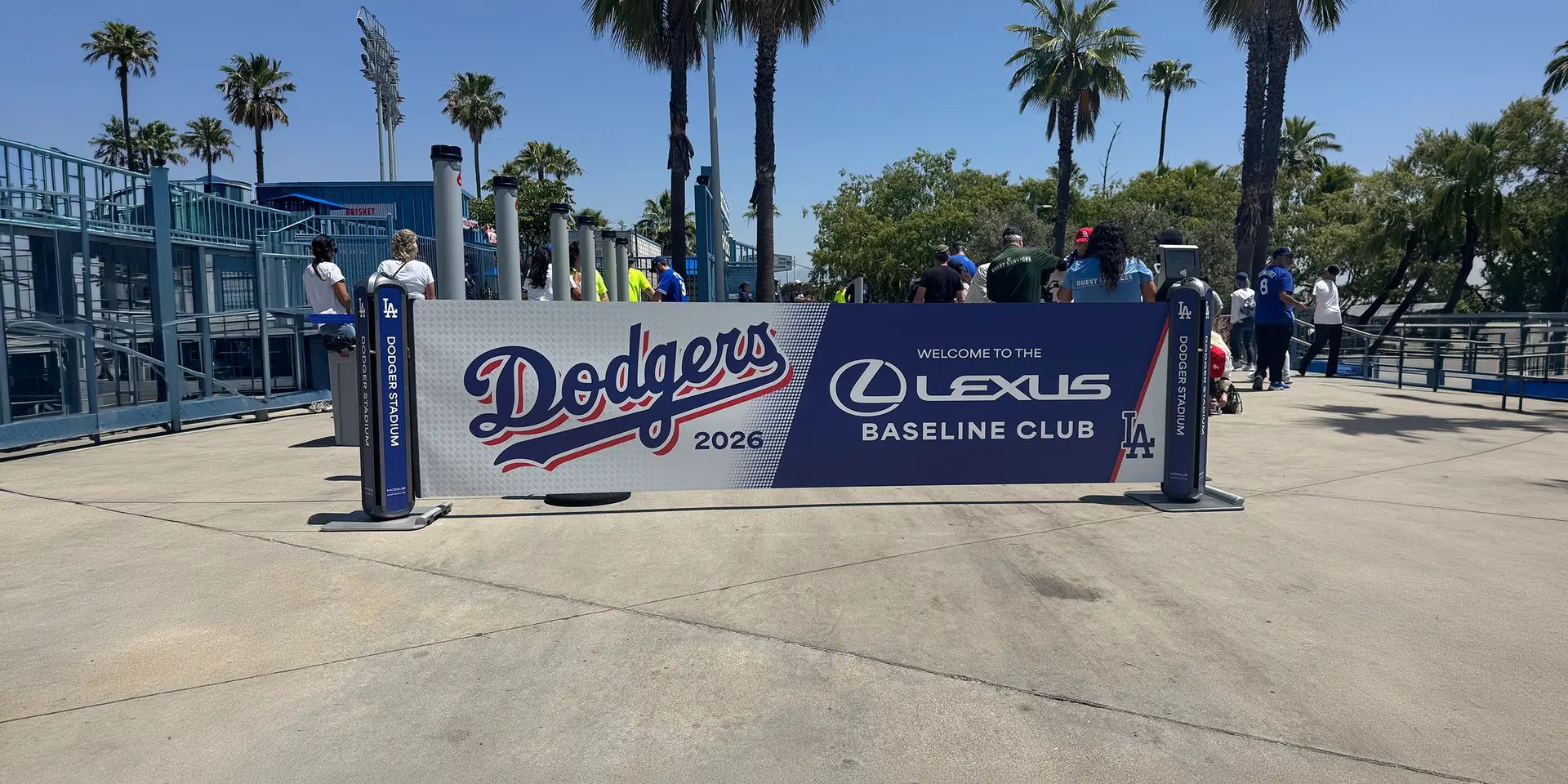
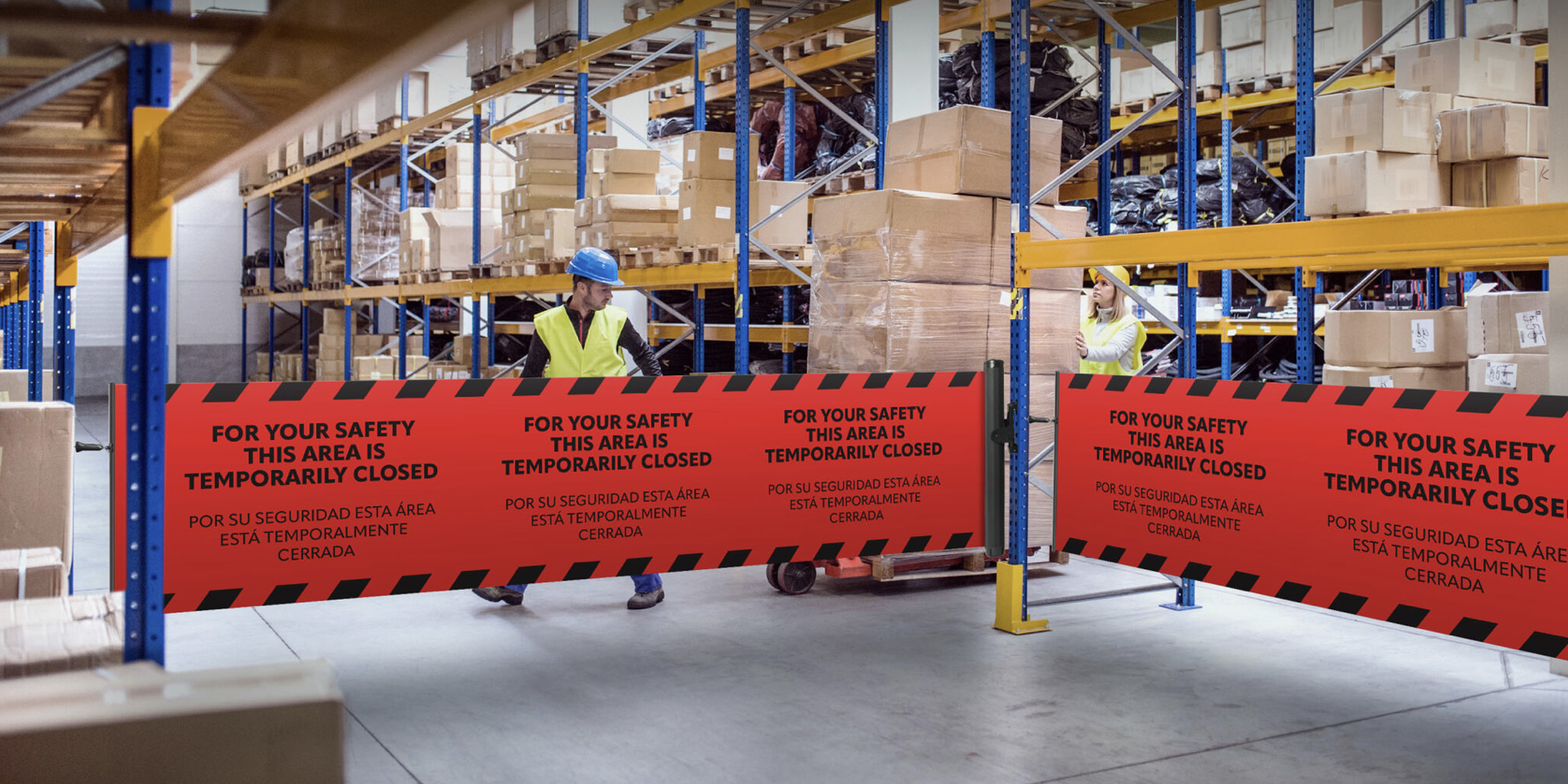
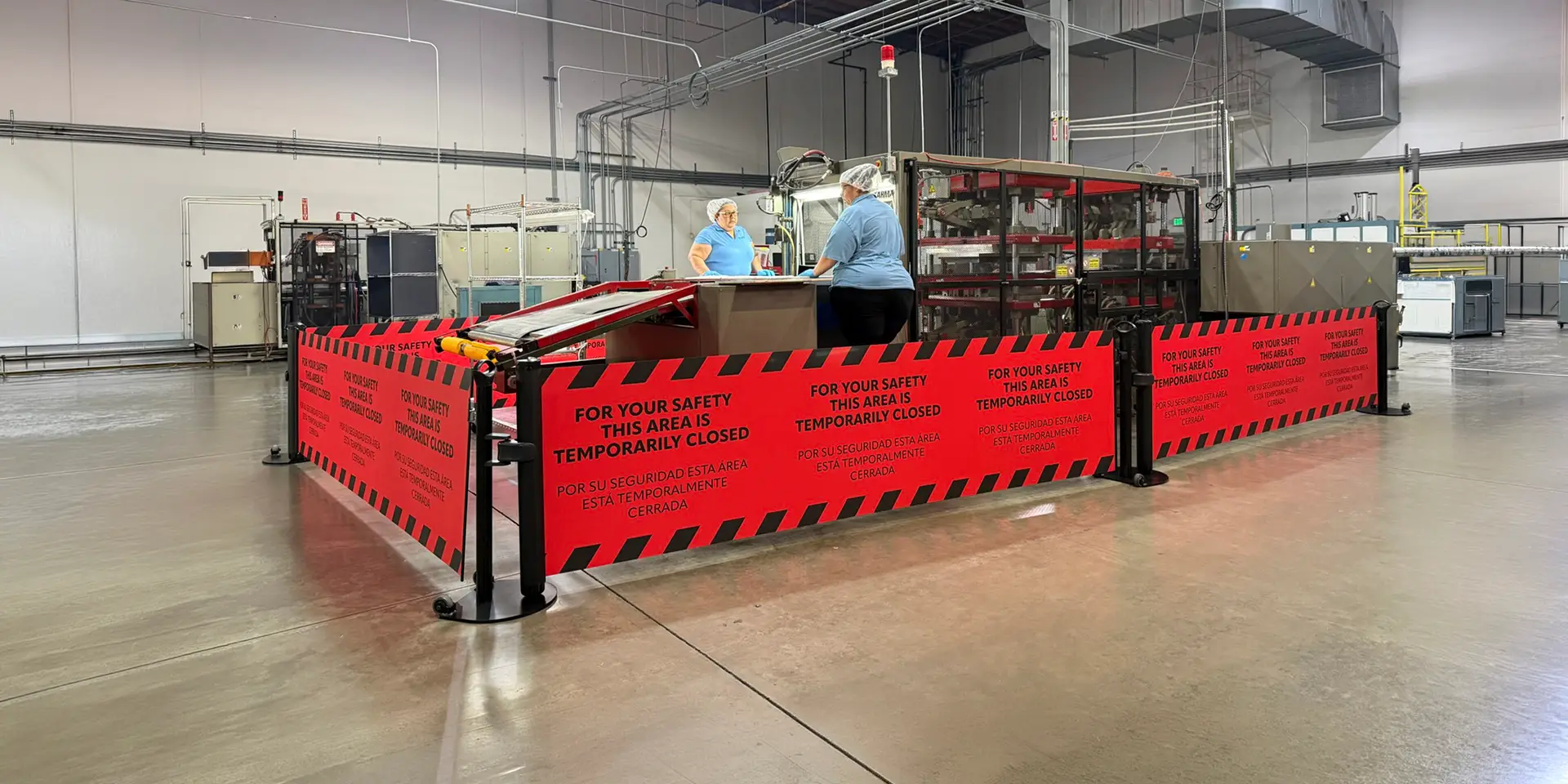
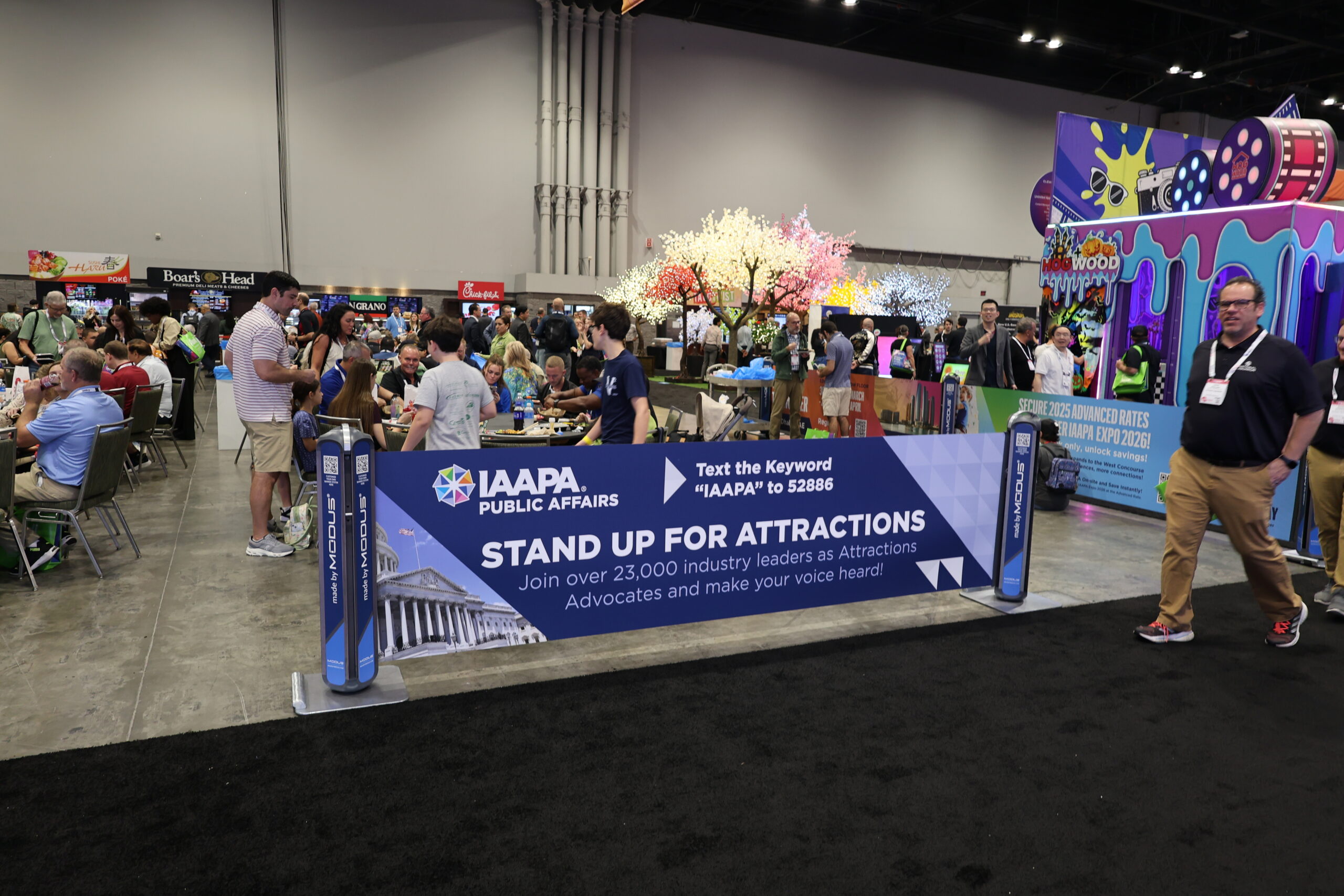
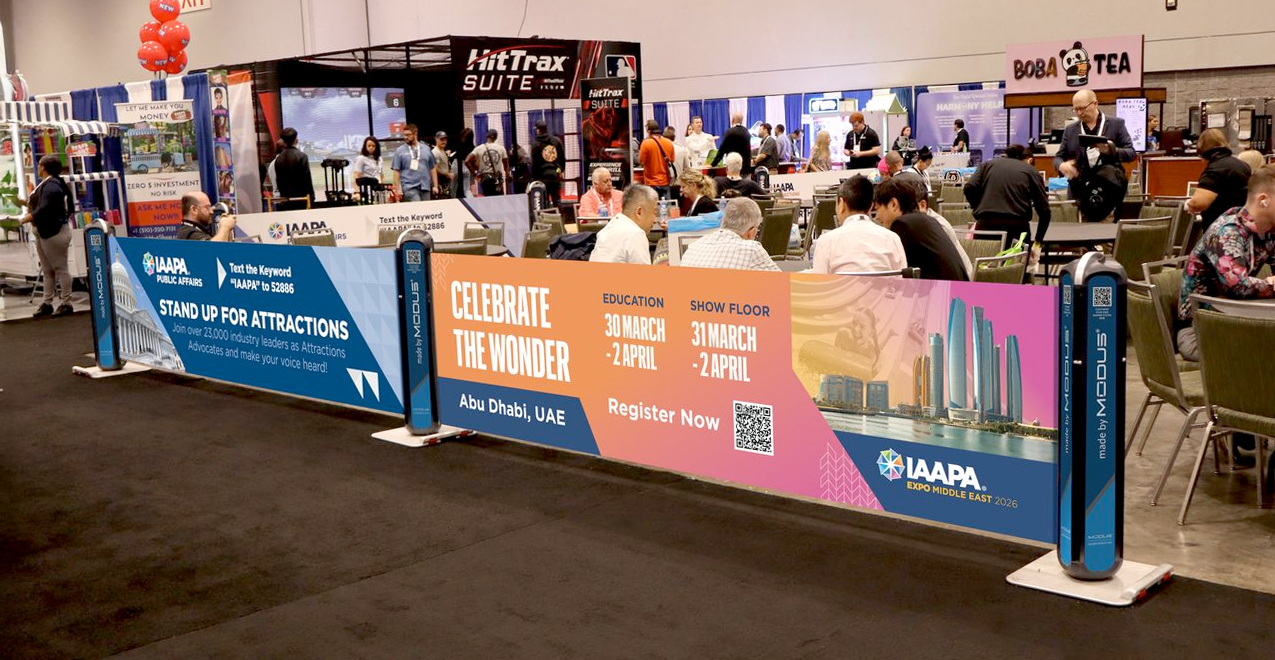
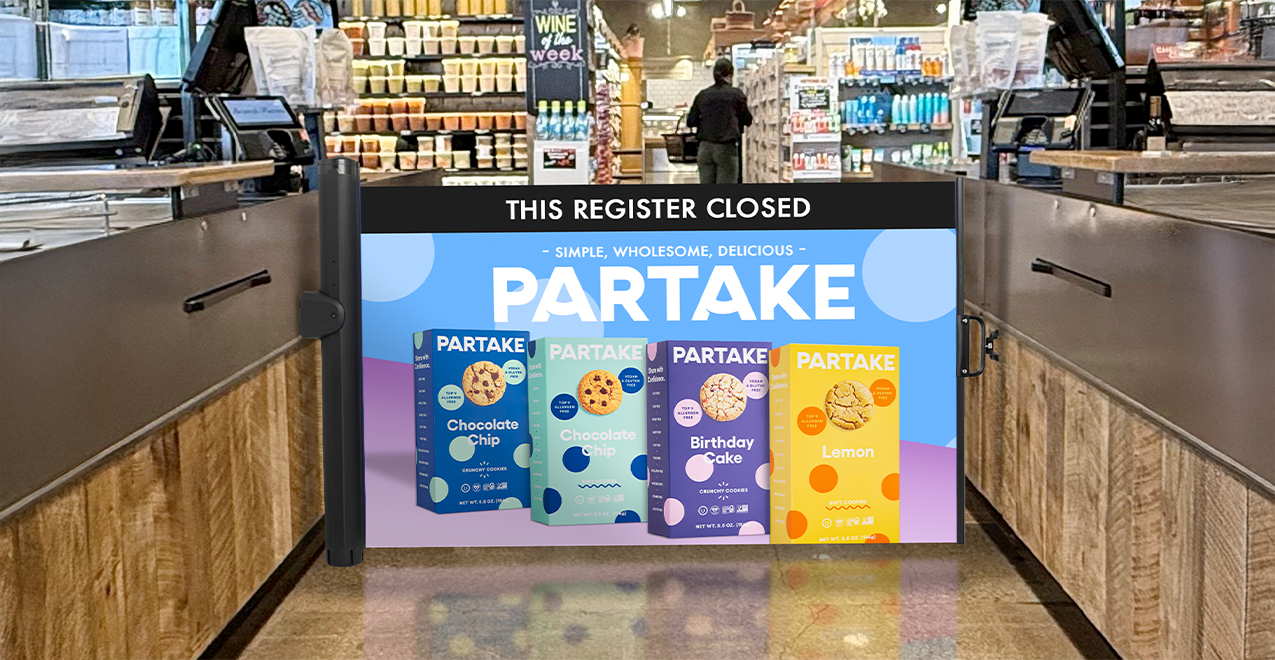
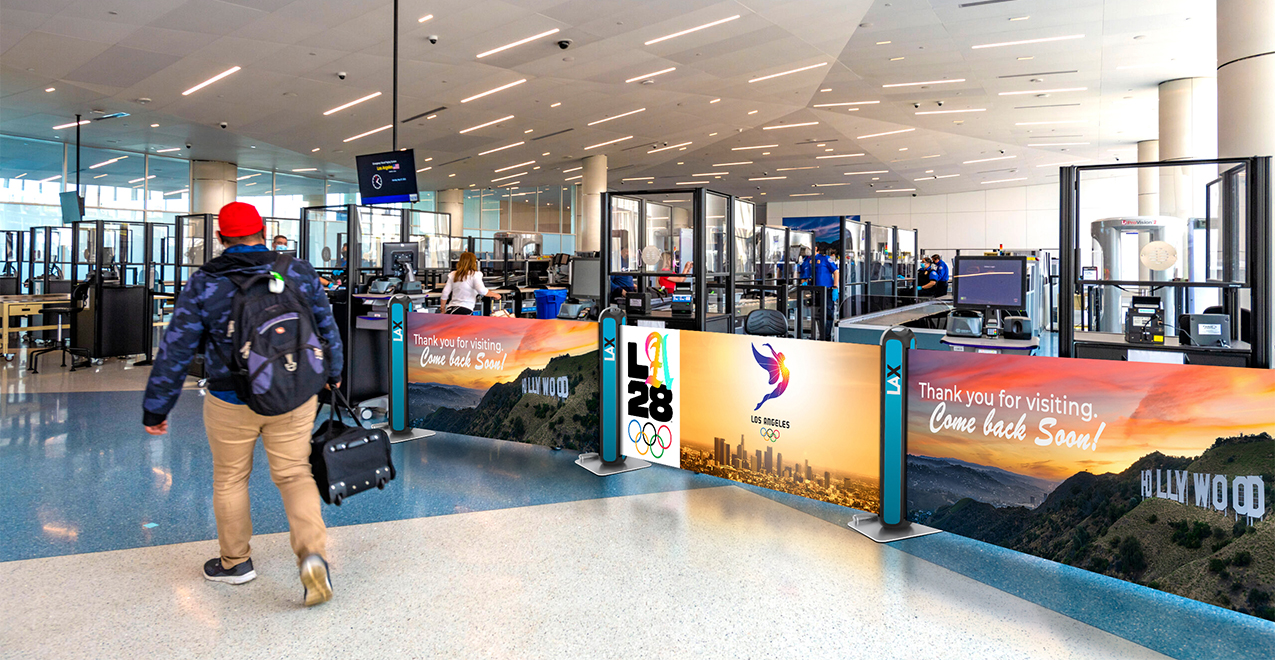
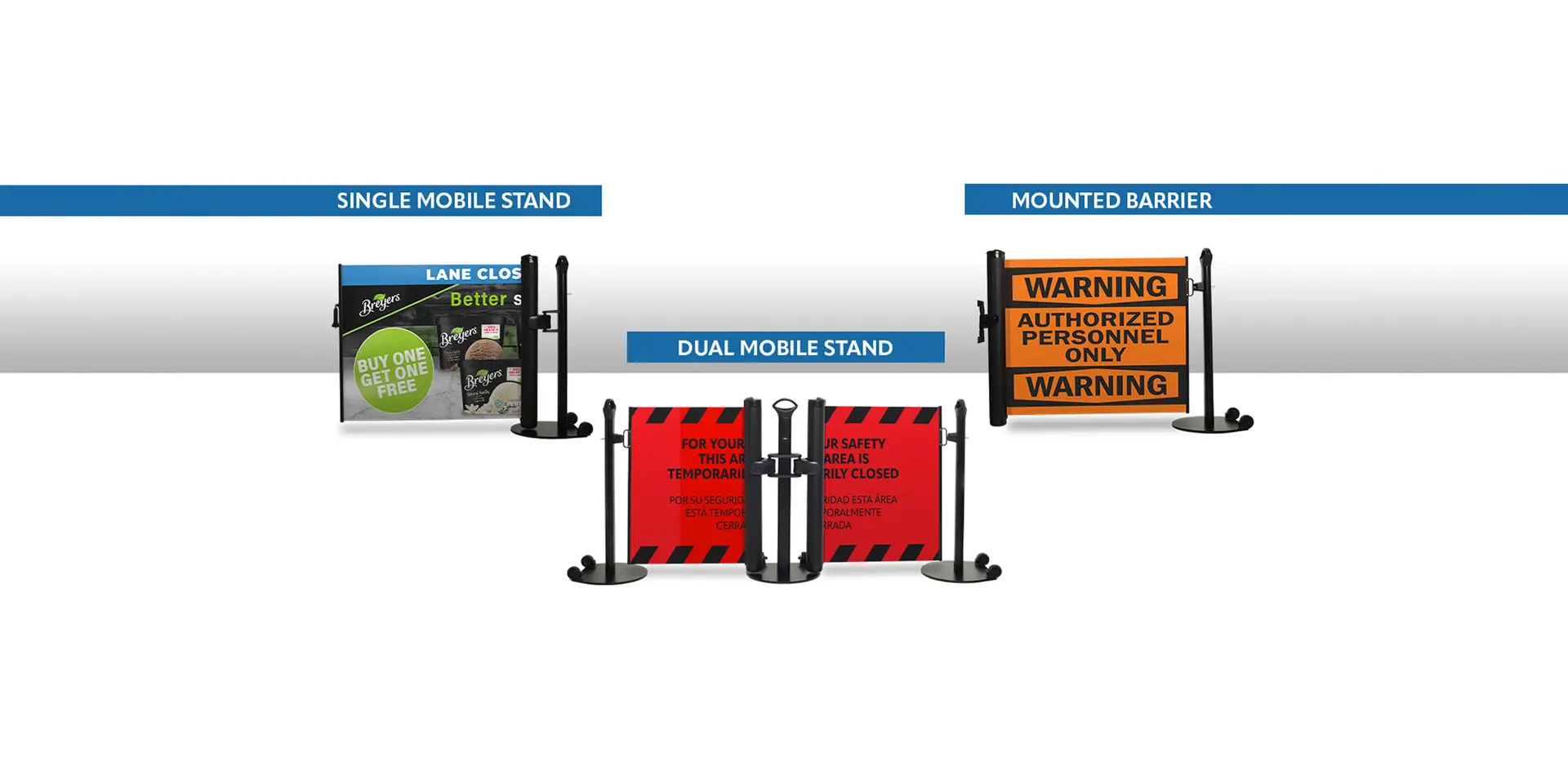
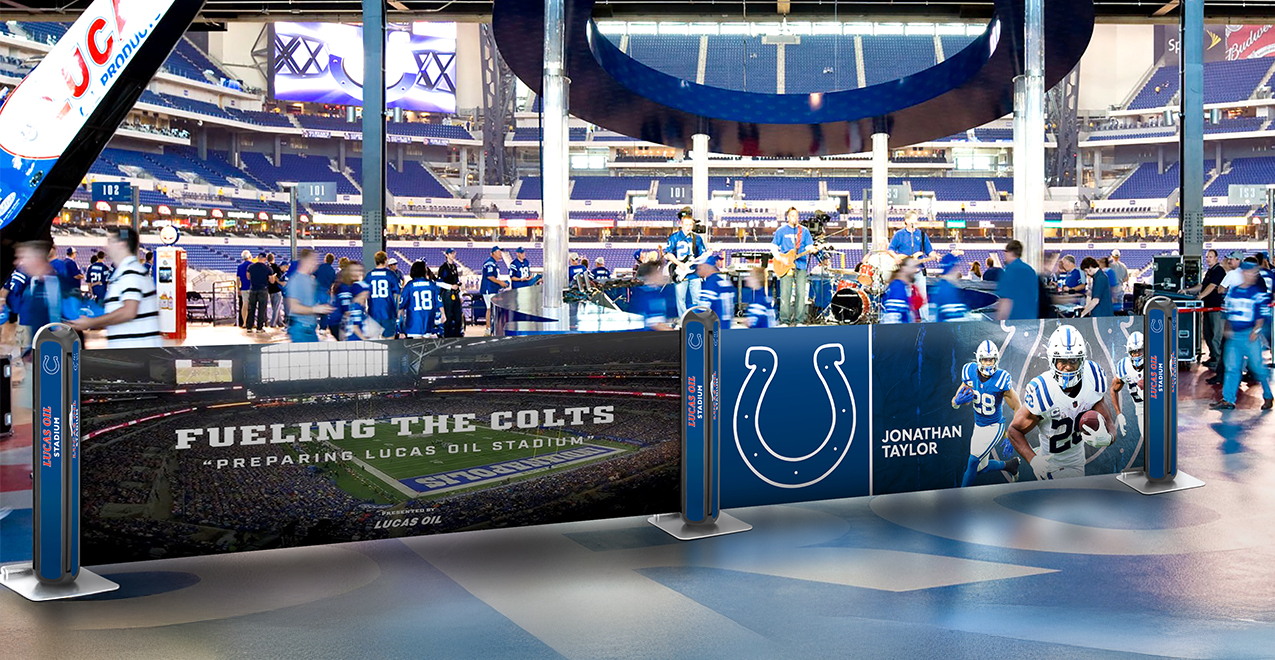
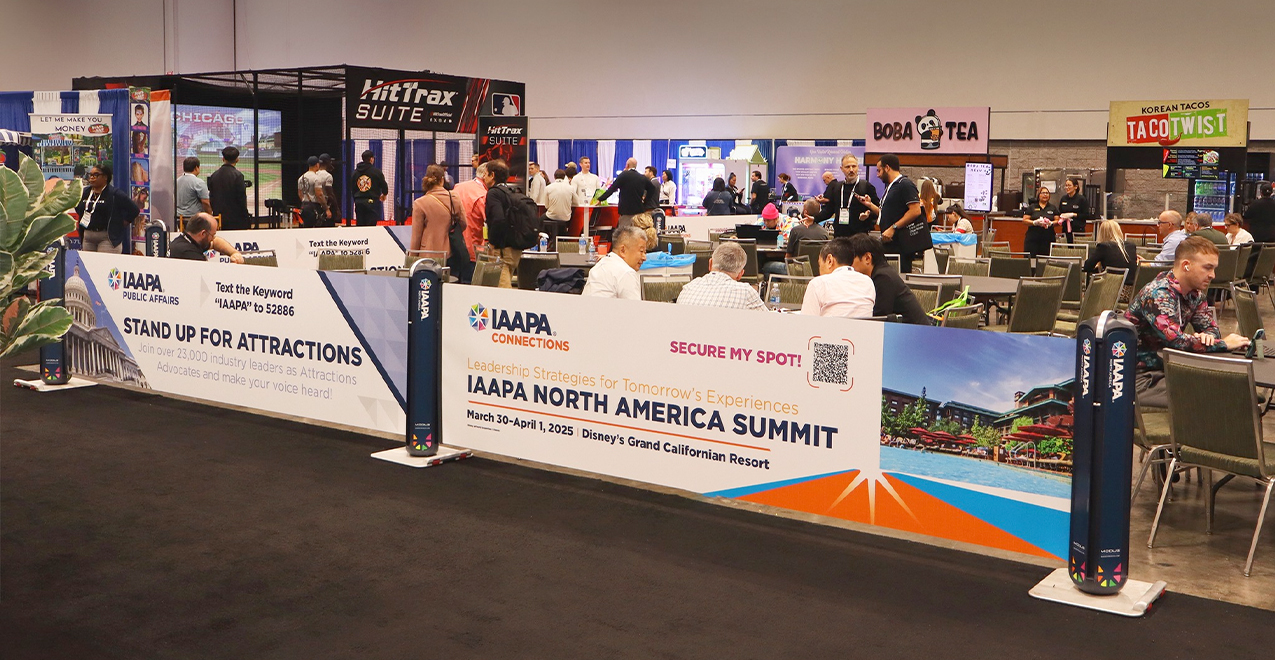
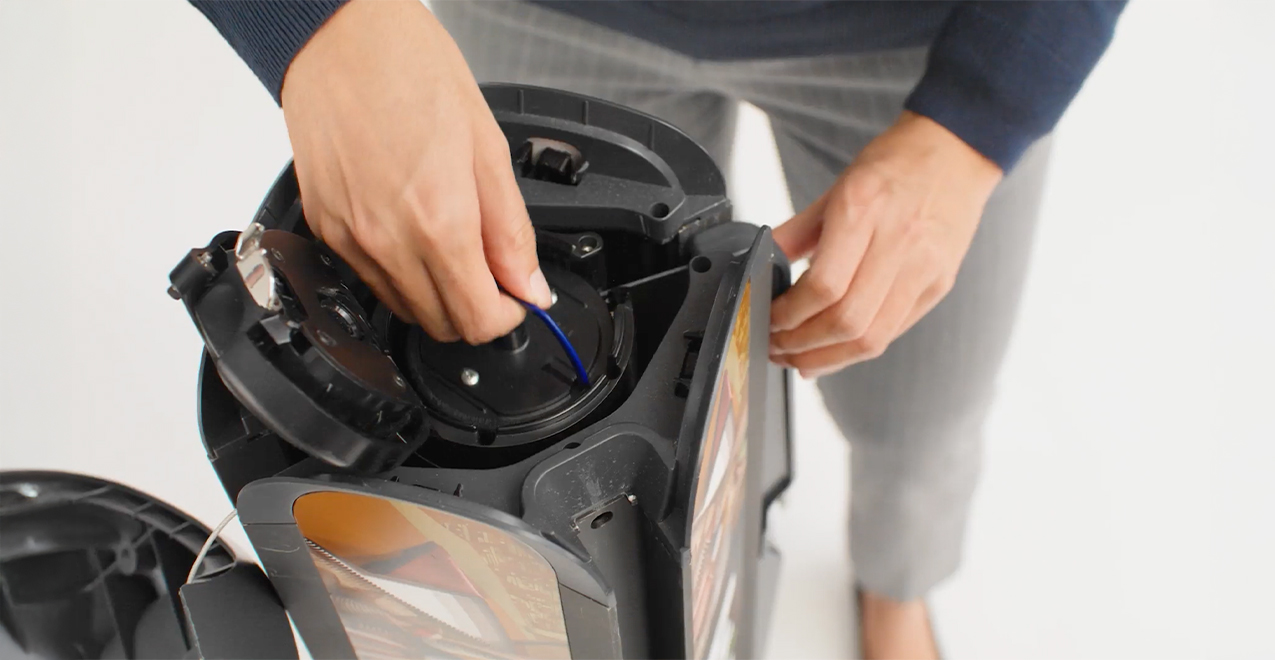
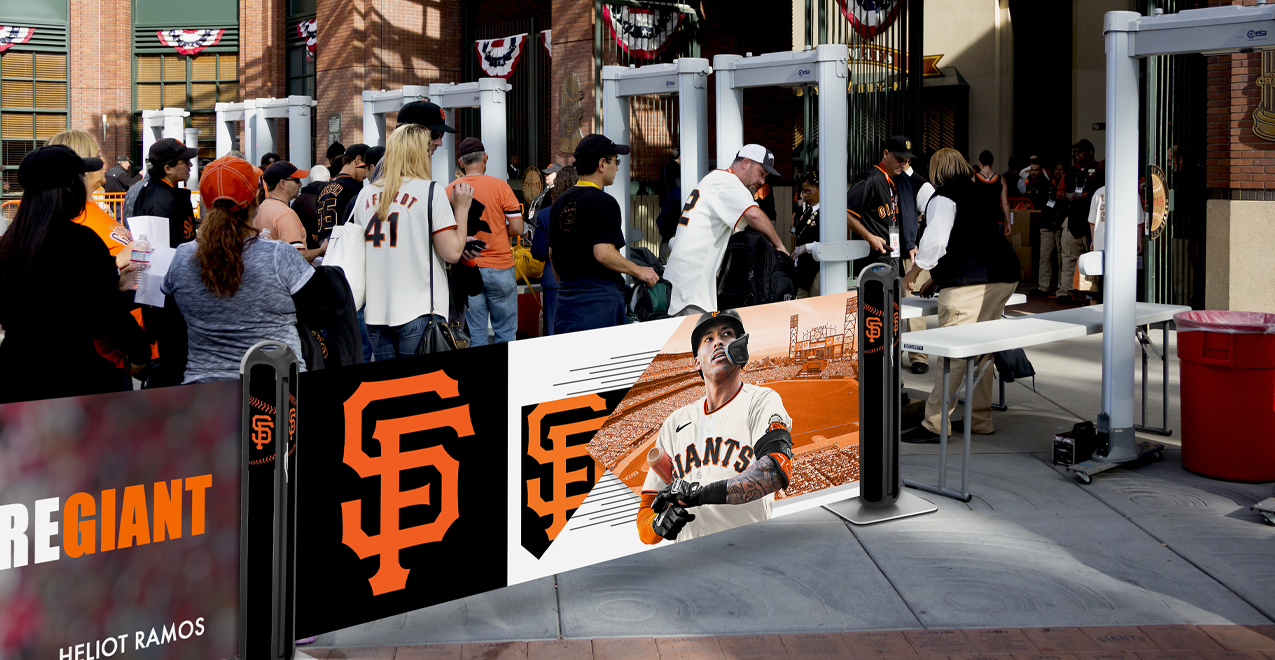
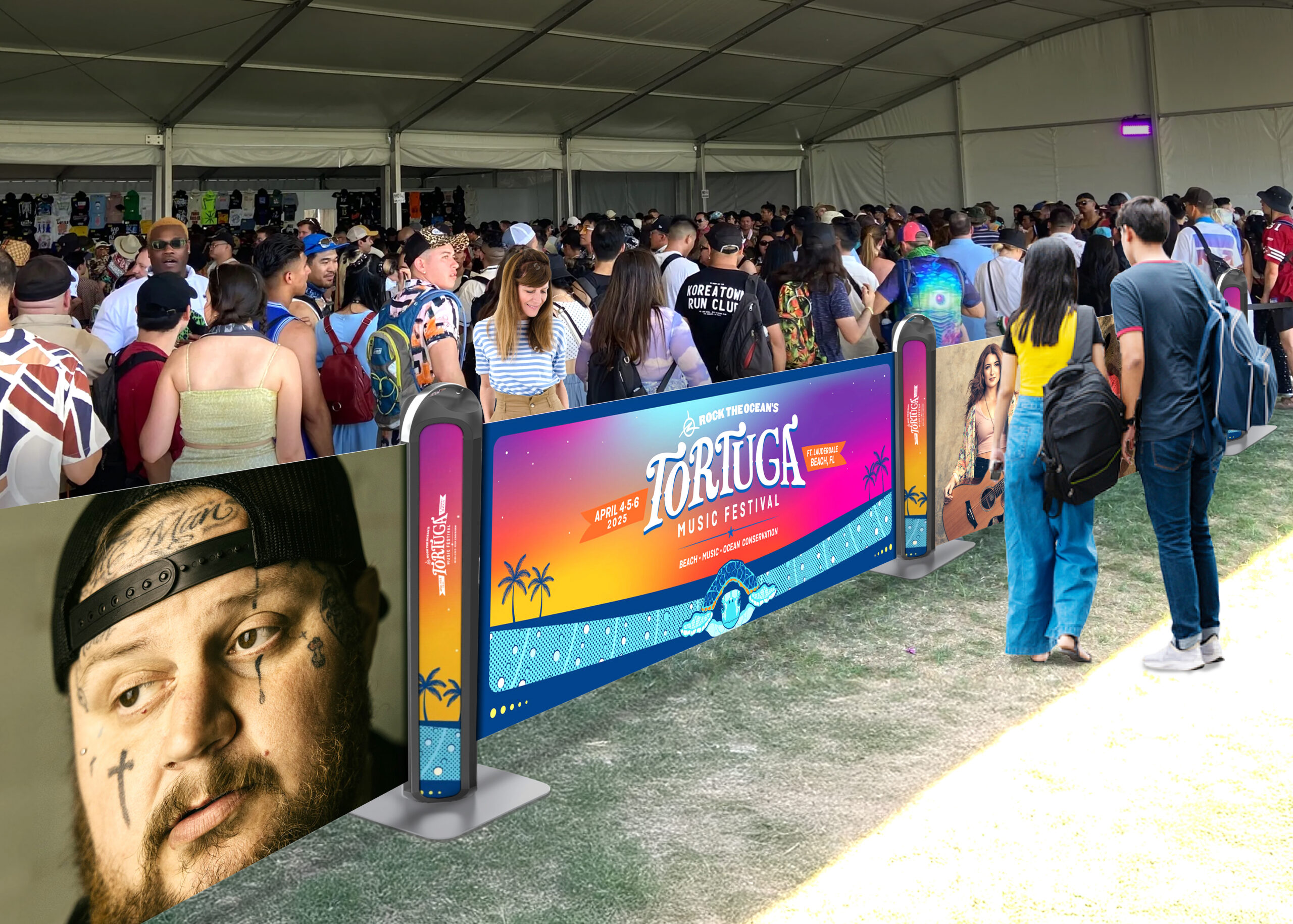
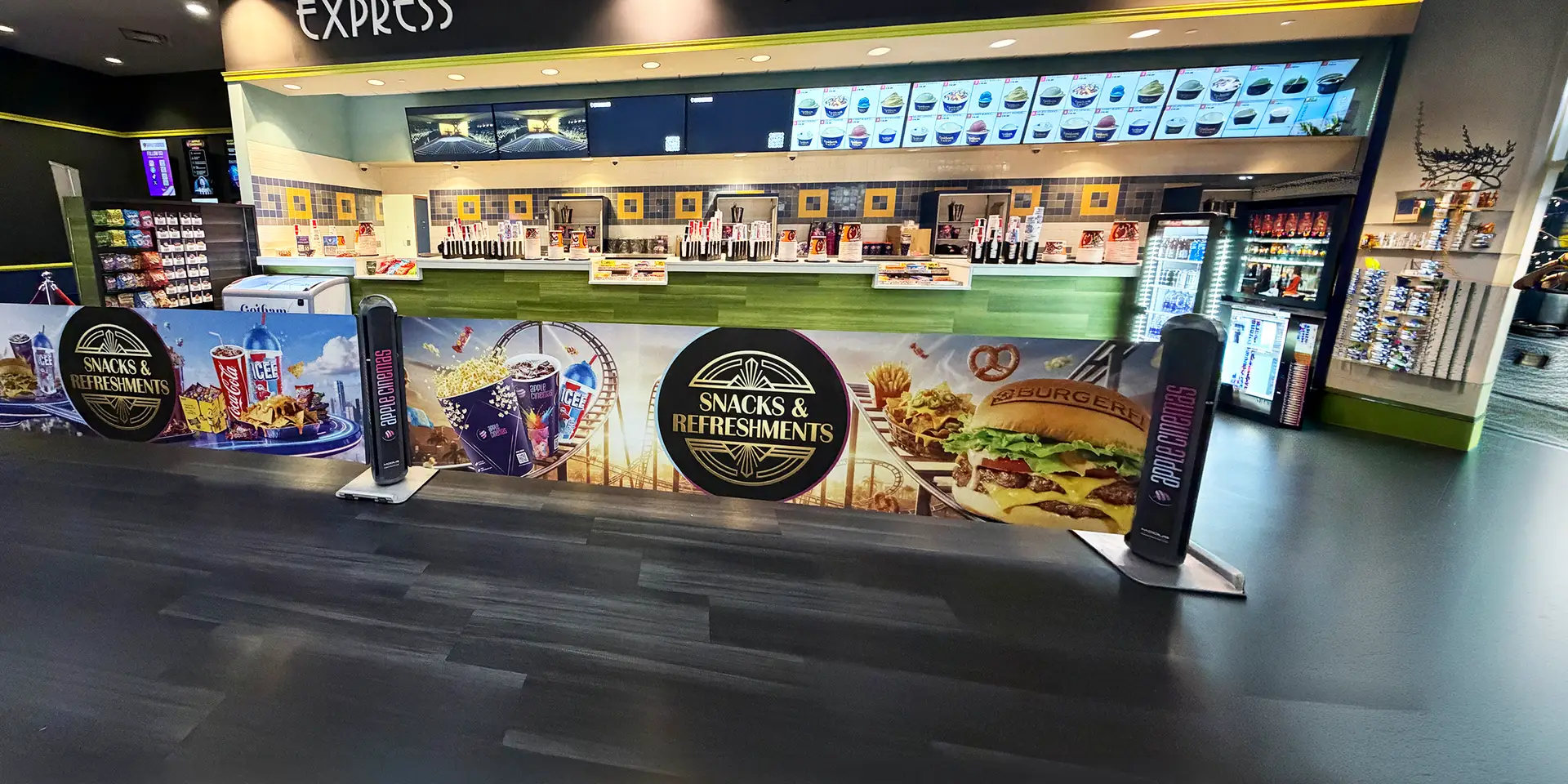
This is where systems like Spotlight™ come in. Rather than relying on static belts, Spotlight replaces traditional barriers with a structured, fabric-based system that organizes space while also delivering messaging and branding throughout the theater environment.
- At entry points, it creates a more cohesive first impression.
- At concessions, it helps highlight offers and guide guest decisions.
- In premium areas, it delineates space without compromising the look and feel of the venue.
The result is a cleaner, more intentional environment — one that works with the experience theaters are trying to create, not against it.
Rethinking the Role of Barriers
Theaters have invested heavily in upgrading what guests see, hear, and consume. But the spaces between those moments matter just as much. Lines, and transition areas are no longer just operational necessities. They’re part of the experience and an opportunity to influence how that experience is perceived. Movie theaters have evolved. It’s time for the infrastructure to catch up.